

Identifying a termite infestation early is crucial to minimizing damage to your property. By understanding the key signs and indicators of their presence, homeowners can take prompt action. Below, we explore the most common signs that termites may be invading your home.
Visible Signs of Termite Activity
- Mud TubesThese tubes provide moisture and protection for termites as they travel between their colony and food sources.
- Discarded Wings: Swarming termites shed their wings after finding a mate and establishing a new colony.
- Frass (Termite Droppings): Drywood termites leave behind tiny wood-colored pellets called frass, which resemble sawdust or coffee grounds. Finding frass near wooden structures may signal an infestation.
- Hollow-Sounding Wood: When you tap on wooden beams or furniture that has been infested by termites, it may sound hollow due to internal tunneling.
- Blistering Paint or Uneven Surfaces: Termites can cause moisture buildup beneath paint or wallpaper as they feed on the wood beneath. This may result in bubbling paint or peeling surfaces.
Unexplained Structural Issues
| Problem | Possible Cause |
| Sagging floors | Weakened wooden supports |
| Cracks in walls | Damage caused by tunneling beneath surfaces |
| Sticking windows/doors | Wood swelling due to excess moisture from termites |
Areas Most at Risk for Infestation
- Foundation Gaps and Cracks– Subterranean termites often enter homes through small gaps in the foundation.
- Wooden Structures Near Soil Contact– Decks, fences, or steps close to soil are particularly vulnerable.
- Crawl Spaces and Basements– Dark, moist environments provide ideal conditions for colonies.
Tips for Regular Inspection
- Check external walls near soil lines for mud tubes.
- Inspect wooden beams in basements or attics using a flashlight and screwdriver.
- Look under sinks and cabinets for signs of water leaks that could attract termites.
By remaining vigilant and aware of these signs, you can reduce the risk of a full-scale infestation taking hold within your home. Early detection not only prevents extensive damage but also ensures lower repair costs over time. Understanding these indicators is the first step toward effective management strategies against these destructive pests.
Effective Termite Treatment Miami: Preventing Damage to Wooden Structures
Termites are among the most destructive pests when it comes to wooden structures, causing billions of dollars in damage annually across the globe. Understanding the extent of their destructiveness and how to manage it is critical for homeowners and property managers. Below, we’ll explore the types of damage termites can inflict, signs of structural compromise, and remediation methods.
Types of Damage Caused by Termites
This feeding behavior can result in significant structural and aesthetic damage.
- Structural Weakening: Termites hollow out wood from the inside, leaving behind a thin outer layer.
- Aesthetic Damage: Infested wooden furniture or decorative elements often show visible signs such as discoloration or blistering.
- Damage to Adjacent Materials: Although termites prefer wood, they can chew through plaster, drywall, insulation, or even thin metal sheeting in search of food.
Indicators of Termite-Related Structural Damage
Early identification is essential to prevent significant losses.
- Mud Tubes: Subterranean termites create pencil-sized mud tunnels along walls or foundations for safe travel between their colony and food source.
- Hollow-Sounding Wood: Tapping on wooden structures may reveal a hollow sound due to internal feeding activity.
- Warped or Blistered Wood: Uneven surfaces on floors or walls could indicate that termites are tunneling beneath.
- Frass (Wood Droppings): Drywood termites leave behind small piles of wood-colored pellets near infested areas.
- Swarmer Activity: Winged reproductive termites emerging indoors often indicate an active infestation nearby.
Cost Implications of Termite Damage
The financial costs associated with termite-related repairs can vary depending on severity.
| Type of Repair | Estimated Cost Range |
| Replacement of Damaged Beams | $1,500 – $5,000 |
| Floor Repairs | $800 – $3,500 |
| Repainting Post-Infestation | $500 – $2,000 |
| Inspections & Treatments | $300 – $1,200 annually |
Steps to Address Termite Infestations
Once an infestation has been identified or suspected, swift action is crucial.
- Hire a Professional Pest Inspector
A licensed termite inspector will confirm the presence and extent of an infestation using specialized tools like infrared cameras or moisture meters. - Chemical Treatments: Application of termiticides around your property’s perimeter.
- Baiting Systems: Installation of bait traps that lure and poison termites over time.
- Fumigation: Recommended for severe drywood termite infestations affecting multiple areas.
- Repair Damaged Areas Once treated successfully:
- Replace severely compromised beams with pressure-treated lumber.
- Fill minor cracks with wood filler before repainting for a seamless finish.
- Prevent Future Infestations Prevention strategies include:
- Eliminating moisture buildup around foundations by fixing leaks promptly.
- Sealing entry points such as cracks in siding or foundation walls.
- Regular inspections by professionals every 1–2 years.
Understanding the destructive potential that termites pose to wooden structures emphasizes why immediate action is essential when dealing with infestations—no matter how small they seem at first glance—and reinforces preventative measures to safeguard your home long-term.
Understanding the extent of the damage termites can inflict and how to mitigate it is essential for preserving the value and safety of your home.
Types of Damage Caused by Termites
- Structural Weakening:
- Cosmetic Damage:
In addition to structural damage, termites leave behind unsightly signs such as blistered wood surfaces, peeling paint (due to moisture buildup), and mud tubes running along walls or foundations. - Damage to Furniture and Fixtures:
Termites don’t limit their destruction to building materials—they can also infest wooden furniture, cabinets, bookshelves, and decorative items. - Impact on Electrical Systems:
In some cases, termites may chew through insulating materials around electrical wiring, increasing the risk of fire hazards.
Indicators of Termite Damage in Wooden Structures
Detecting termite activity early can help minimize the extent of damage.
- Visible mud tubes along baseboards or foundation walls
- Tiny holes or galleries on wooden surfaces
- Frass (termite droppings) that resemble small pellets
- Buckling floorboards or sagging ceilings
- Doors or windows that become difficult to open due to warping
How to Address Termite Damage
Once termite damage is identified, it’s crucial to take swift action.
- Assess the Extent of Damage: Hire a professional pest control expert who specializes in termite inspections. They will evaluate how widespread the infestation is and identify which areas are compromised.
- Minor damage may be repaired by filling cracks with wood fillers.
- Severely damaged sections should be replaced entirely with treated wood resistant to pests.
- Use termiticides or baiting systems applied by certified experts.
- Consider fumigation for extensive infestations where localized treatments aren’t sufficient.
- Strengthen Vulnerable Areas: Reinforce weakened beams or supports with steel brackets or additional lumber after treatment has eradicated active termites.
| Severity | Recommended Action | Example Solutions |
| Minor | Wood filler repairs | Epoxy-based fillers |
| Moderate | Replace affected sections | Treated timber replacement |
| Severe | Structural reinforcement | Steel supports; consult structural engineer |
- Prevent Future Infestations: Implement preventative measures like sealing cracks in foundations, reducing moisture levels near wooden elements through proper drainage systems, and using termite-resistant building materials during renovations.
Long-Term Strategies for Mitigating Risks
- Conduct routine inspections at least once a year.
- Maintain proper ventilation in crawl spaces.
- Store firewood away from your home’s foundation.
- Remove dead trees or stumps near your property as they attract termites.
- Schedule professional pest-control services proactively instead of waiting for visible evidence.
By understanding how termites attack wooden structures and taking proactive measures against them promptly after detection, homeowners can minimize repair costs while preserving their property’s integrity over time.

Understanding Termite Types and How an Exterminator Miami, FL Can Help
Termites are highly specialized insects that play a crucial role in breaking down dead plant material in natural ecosystems. However, when they invade human structures, they can become destructive pests. Understanding the different types of termites and their unique traits can help homeowners and professionals identify the species they’re dealing with and select the most effective management strategies. Below is a breakdown of the key termite types and their distinct characteristics.
Major Types of Termites
- Habitat: These termites build colonies in soil, often underground, and construct mud tubes to access food sources above ground.
- Diet: They primarily consume cellulose from wood, paper, or other plant-based materials.
- Damage Potential: Subterranean termites are considered the most destructive type due to their large colony sizes and relentless feeding habits.
- Pale cream-colored workers.
- Winged reproductives (alates) are darker brown or black.
- Mud tubes on walls or foundation as a key indicator of their activity.
- Habitat: Unlike subterranean termites, drywood termites live entirely within wood, requiring no contact with soil or water sources. They can infest furniture, framing, flooring, and even wooden ornaments.
- Diet: Their food source is dry wood with low moisture content.
- Damage Potential: Damage tends to occur more slowly compared to subterranean species but can still be significant over time.
- Pelleted frass (fecal material) near infested areas.
- Galleries inside wood that have a smooth finish.
- Light-to-dark brown alates during swarming events.
- Habitat: Dampwood termites require high-moisture environments and are typically found in decaying wood, wet logs, or areas with consistent exposure to water.
- Diet: Moist and decayed wood is their primary food source.
- Damage Potential: They are less likely to damage homes since they prefer moist environments not commonly found indoors unless there’s an existing water leak issue.
- Large bodies compared to other termite types.
- Nests located directly within damp wooden structures.
- Formosan Termites (Coptotermes formosanus)
Often considered a subset of subterranean termites but notable for their aggressive behavior and exceptionally large colonies. - Habitat & Behavior: Build nests both underground and in structures such as wall voids or roof spaces if moisture conditions allow.
- Capable of consuming vast amounts of wood in relatively short periods due to colony size.
Comparison Table
| Type | Habitat | Key Indicators | Damage Level |
| Subterranean | Soil-connected areas | Mud tubes; pale workers | High |
| Drywood | Inside dry wood | Pelleted frass; smooth galleries | Moderate |
| Dampwood | Moist environments | Decayed wood; larger size | Low |
| Formosan | Varied | Aggressive feeding; large nests | Very High |
Why It’s Important to Identify Termite Types
- Subterranean termites may need soil treatments or baiting systems targeting their colonies below ground.
- Drywood termites often require localized treatment like fumigation since they live inside wooden structures without soil access.
- Dampwood termite infestations typically involve eliminating moisture issues alongside direct treatment of infested areas.
By understanding these differences among termite species, property owners can implement more effective prevention measures while ensuring targeted pest control treatments for better long-term outcomes.
Effective Termite Removal Miami: Tips to Protect Your Home from Infestations
Termites are silent destroyers that can cause significant damage to your home if left unchecked. Implementing preventative measures is crucial to safeguard your property. Here are some effective strategies to protect your home from termite infestations.
Maintain Proper Moisture Control
Termites thrive in moist environments, so reducing excess moisture around your home is critical.
- Fix plumbing leaks: Repair leaky pipes, faucets, and air conditioning units promptly.
- Improve drainage: Ensure gutters and downspouts direct water away from your home’s foundation.
- Eliminate standing water: Remove sources of stagnant water near or around your property.
By addressing moisture issues, you create an environment less appealing to termites.
Use Termite-Resistant Building Materials
If you’re constructing or renovating a home, selecting materials resistant to termites can help prevent infestations.
| Building Material | Description |
| Treated Wood | Chemically treated wood resists termite damage. |
| Concrete or Steel Framing | These materials provide no food source for termites. |
| Composite Materials | A mix of recycled materials and resin designed to be termite-resistant. |
Incorporating these materials into key areas such as foundations, walls, and decks can enhance long-term protection.
Establish Physical and Chemical Barriers
- Stainless steel mesh barriers installed during construction.
- Sand barriers that block pathways for subterranean termites.
- Soil treatments with termiticides around the foundation.
- Applying borate sprays on wood surfaces during construction.
Ensure these measures are installed professionally for optimal results.
Remove Termite Food Sources
- Store firewood at least 20 feet away from the house.
- Keep mulch and wood debris away from the base of your home’s foundation.
- Trim trees and shrubs so they do not touch exterior walls or roofs.
Simple adjustments in landscaping maintenance can make a significant difference.
Conduct Regular Inspections
Routine inspections by homeowners or pest control professionals are essential for catching early signs of termite activity.
- Wooden structures (e. g. , beams, flooring).
- Crawl spaces or basements.
- Cracks in the foundation where termites may enter.
Regular inspections will enable you to address potential problems before they escalate into severe infestations.
Partner with Pest Control Professionals
Professional pest control services offer comprehensive solutions tailored to protecting homes against termites.
- Application of advanced baiting systems.
- Routine monitoring programs for early detection.
- Expert advice on maintaining a termite-free environment.
Collaborating with professionals ensures you stay one step ahead of potential threats.
Taking proactive steps is vital in protecting your home from termite infestations. By combining proper maintenance practices with expert assistance when needed, homeowners can significantly reduce their risk while preserving structural integrity over time.
Why Early Detection of Termites is Essential for Structural Integrity
Early detection is critical for preventing extensive damage, minimizing repair costs, and ensuring the safety of your property. Below is an in-depth exploration of why identifying termites early can make a significant difference.
The Hidden Threat of Termite Infestations
- Compromised wooden structures such as beams, floors, and furniture.
- Risk of structural collapse in severe cases.
- Expensive restoration or rebuilding efforts.
Signs That Indicate Termite Presence
To detect termites early, it’s important to recognize the warning signs they leave behind.
- Mud Tubes: Subterranean termites build mud tubes along walls or foundations to travel between their colony and their food source (wood).
- Hollow-Sounding Wood: Tapping on wooden surfaces that sound hollow could indicate internal termite damage.
- Frass (Termite Droppings): Drywood termites leave small piles of pellet-like droppings near infested wood.
- Warped Doors or Windows: Damage caused by termites may result in wood swelling or warping.
Benefits of Early Detection
By identifying termite activity before it becomes widespread, homeowners can avoid significant structural deterioration.
- Lower Repair Costs: Addressing infestations before large-scale destruction reduces costly repairs.
- Preservation of Property Value: Homes with known termite damage often lose resale value; early treatment protects your investment.
- Enhanced Safety: Detecting infestations before they weaken load-bearing structures ensures a safer living environment.
| Stage | Potential Damage | Cost Implications |
| Early | Minimal cosmetic damage | Low cost (inspection/treatment) |
| Moderate | Visible structural compromise | Moderate cost (repairs/treatment) |
| Severe | Extensive structural failure | High cost (restoration/rebuilding) |
Tools & Techniques for Early Detection
- Professional Inspections: Hiring licensed pest control professionals ensures thorough inspections using advanced tools like moisture meters and infrared scanners.
- DIY Monitoring Stations: Installing bait stations around your home can help monitor termite activity over time.
- Inspect crawl spaces, basements, and attics regularly for signs of infestation.
- Keep wooden elements free from moisture as damp conditions attract termites.
Prevention Starts With Awareness
Early detection is only effective when paired with proactive prevention measures. Simple practices like sealing cracks in foundations, minimizing soil-to-wood contact around the home’s exterior, and maintaining proper ventilation reduce the likelihood of termite infestations altogether.
By staying vigilant and acting quickly when warning signs appear, you can safeguard your home from these destructive pests while maintaining its structural stability for years to come.
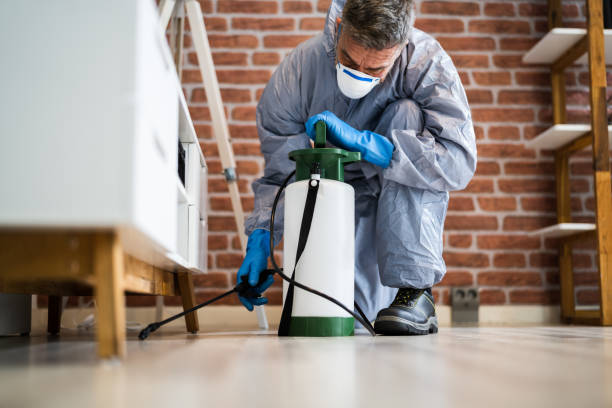
Effective Solutions for Eliminating Termites and Preventing Their Return
Addressing termite infestations effectively requires a multi-pronged approach that includes identification, eradication, and long-term prevention strategies. Below are effective solutions to eliminate termites and prevent their return.
Identifying the Infestation
To ensure accurate treatment, identifying the type of termite causing the infestation is crucial.
- Subterranean Termites: Build mud tubes and often reside underground.
- Drywood Termites: Found in dry wood structures or furniture, they don’t require contact with soil.
- Dampwood Termites: Common in moist wood but are less likely to infest homes due to limited conditions.
Inspect your home for the following common signs of termites:
– Mud tubes along walls or foundations.
– Hollow sounds when tapping wooden structures.
– Small piles of frass (termite droppings) near wooden surfaces.
Eradication Methods
Once an infestation has been identified, professional treatment methods are often required to eliminate termites effectively.
- Liquid termiticides create a chemical barrier around your home’s foundation.
- Non-repellent termiticides such as fipronil allow termites to spread the toxin through their colony.
- Bait stations attract foraging termites with cellulose material laced with slow-acting toxins.
- Effective because it targets the entire colony rather than individual termites.
- Drywood termite infestations can often require structural fumigation.
- This gas treatment permeates all areas of a structure, eliminating hidden colonies.
- Spot treatments such as direct injection of termiticide foam or borate solutions into infested wood may resolve smaller issues without extensive interventions.
- Biological Control (Emerging Solutions)
- Use of nematodes (microscopic worms) that feed on termites is an eco-friendly option under research for broader applications.
| Method | Best For | Professional Assistance Required? |
| Chemical Treatments | Subterranean termites | Yes |
| Baiting Systems | Eliminating colonies | Yes |
| Fumigation | Severe drywood infestations | Yes |
| Localized Treatments | Small-scale damages | Sometimes |
| Biological Control | Experimental use | Sometimes |
Preventative Measures
Preventing re-infestation is just as important as extermination itself.
- Fix leaky pipes and faucets promptly.
- Ensure proper drainage systems around foundations.
- Keep firewood, lumber, or any cellulose-based material elevated and away from your property.
- Use steel or treated wood in construction where possible.
- Caulk cracks and crevices around windows, doors, and utility entry points.
- Avoid planting trees or shrubs too close to the house foundation.
- Regularly clear dead leaves and mulch near walls.
- Engage a licensed pest control professional for annual inspections even if no visible signs exist.
By implementing these strategies consistently, you not only address existing issues but also build a robust system for long-term termite prevention.
Consulting Professionals vs DIY Approaches
While small-scale preventative measures can sometimes be handled independently (such as fixing water leaks), larger infestations almost always require professional assistance due to the complexity of eradicating entire colonies effectively without causing further structural damage in the process.
Effective Solutions for Eliminating Termites and Preventing Their Return
Fortunately, there are several effective methods to eliminate termites and prevent their return. Implementing a comprehensive strategy that combines professional treatments, preventative measures, and regular maintenance is key to keeping your property termite-free.
Professional Treatment Options for Termite Elimination
- Liquid Termiticides:
This barrier kills termites upon contact or ingestion. Commonly used termiticides include fipronil and imidacloprid. - Baiting Systems:
Termite bait systems involve placing bait stations in the ground around your property. Worker termites consume the bait and share it with their colony, leading to its eventual collapse.
| Treatment Method | Advantages | Disadvantages |
| Liquid Termiticides | Long-term protection, immediate effect | Requires professional application |
| Baiting Systems | Targets entire colonies effectively | Slower elimination process |
- Fumigation:
For severe infestations involving drywood termites, fumigation may be necessary. This involves sealing the entire structure and introducing a gas pesticide (e. g. , sulfuryl fluoride) to penetrate wood and destroy all termites inside.
DIY Termite Control Methods
- Orange Oil Treatments: Derived from orange peels, this natural solution contains d-limonene, which is toxic to termites upon contact.
- Diatomaceous Earth (DE): Sprinkling DE around infested areas can dehydrate and kill termites.
- Cardboard Traps: Wet cardboard acts as a lure for termites; once they gather on it, you can remove and destroy the trap.
Preventative Measures for Long-Term Protection
Preventing termites from returning is critical after an infestation has been addressed.
- Maintain proper drainage around your property to reduce moisture sources that attract termites.
- Store firewood at least 20 feet away from the house and elevate it above ground level.
- Seal cracks in foundations and walls where termites might gain entry.
- Use termite-resistant materials like treated wood during construction or renovations.
The Importance of Regular Inspections
Early detection allows minor issues to be addressed before they escalate into costly damage.
By combining professional expertise with proactive prevention efforts, homeowners can effectively eliminate termites while safeguarding their properties from future infestations. A well-maintained home with consistent monitoring significantly reduces the likelihood of re-infestation over time.
- Essential Tips for Effective Termite Treatment Miami Homeowners Need to Know
- Effective Miami Termite Control: How to Identify Signs of Termites in Your Home
- Effective Termite Treatment Miami Residents Can Rely on to Protect Their Homes
- How Miami Pest Control Experts Handle Termite Damage to Wooden Structures
- Effective Termite Treatment Miami: Top Warning Signs of an Infestation Every Homeowner Should Know
- Effective Termite Treatment Miami: Protect Your Home with Regular Inspections
- Effective Termite Treatment Miami: Understanding Damage and Protecting Your Home