

Termites are among the most destructive pests that can invade a home, causing billions of dollars in property damage annually. Protecting your home from termites requires proactive strategies designed to prevent infestations and minimize the risk of structural damage. Implementing year-round termite prevention measures is essential for safeguarding your investment.
Why Year-Round Protection Matters
Termites are active throughout the year, even during colder months when they tend to burrow deeper into soil or wood for warmth. Because their activity is constant, relying on seasonal pest control alone leaves your property vulnerable. A comprehensive, year-round approach ensures that termites are addressed before they cause significant damage.
- Continuous Activity: Termites can remain hidden inside walls, floors, or foundations while steadily consuming wood.
- Population Growth: Without intervention, termite colonies grow rapidly and become harder to control over time.
- Unpredictable Infestations: Environmental changes like moisture buildup or landscaping shifts may invite termites at any time.
Preventative Measures Throughout the Year
To effectively protect your home from termite damage, adopt a combination of preventive strategies that address various risks.
- Schedule professional inspections annually or biannually.
- Personally examine high-risk areas such as basements, crawl spaces, and wooden structures for early signs of infestation.
- Fix leaks in plumbing, roofing, or air conditioning systems immediately.
- Use dehumidifiers in basements or poorly ventilated areas to reduce humidity levels.
- Ensure proper drainage around the foundation by cleaning gutters and extending downspouts away from your home.
- Keep mulch at least 12 inches away from the foundation as it creates an ideal environment for termites.
- Avoid stacking firewood near exterior walls.
- Trim trees and shrubs so they do not touch your home’s siding or roof.
- Install termite barriers during construction using materials like stainless steel mesh or sand below foundations.
- Apply chemical soil treatments around existing buildings as an added defense layer.
- Seal cracks in wooden surfaces to prevent access points for termites.
- Treat exposed wood with borate solutions that deter termite activity.
- Replace rotting or damaged wood promptly before it attracts pests.
Comparing Termite Control Methods
| Method | Benefits | Limitations |
| Chemical Treatments | Long-lasting protection; effective | May require professional application |
| Bait Systems | Targets colonies directly | Slower results |
| Physical Barriers | Non-toxic; durable | Best installed during construction |
| Natural Remedies | Eco-friendly; minimal chemicals | Less effective for severe infestations |
Partnering with Professionals
Even with diligent efforts, some aspects of termite prevention require professional expertise. Pest control specialists use advanced detection tools such as infrared cameras and moisture meters to locate hidden infestations. Additionally, licensed professionals provide customized treatment options tailored to your specific needs.
By adopting these year-round strategies and seeking expert advice when needed, you can significantly reduce the likelihood of costly termite damage while protecting the structural integrity of your home over time.
Miami Termite Control: Key Differences Between Termites and Carpenter Ants
Differentiating termites from carpenter ants is crucial for effective pest control and proper management strategies. While both pests can cause structural damage, they have distinct behaviors, characteristics, and effects on your property. Below is a detailed breakdown to help you understand their key differences.
Effective Miami Pest Control Solutions for Your Home
| Feature | Termites | Carpenter Ants |
| Body Shape | Straight, uniform width from head to abdomen | Narrow waist separating thorax and abdomen |
| Antennae | Straight or slightly curved | Bent or elbowed |
| Wings (Swarmers) | Equal length front and hind wings | Front wings longer than hind wings |
| Color | Creamy white (workers), darker for swarmers | Black or reddish-brown |
Expert Exterminator Miami, FL: Solving Your Pest Problems
- Termites: They consume cellulose material, such as wood, paper, or plant-based products. Subterranean termites build colonies underground connected to food sources via mud tubes. Drywood termites inhabit dry wood directly without requiring soil contact.
- Carpenter Ants: Instead of eating wood, carpenter ants excavate it to create nests. They prefer moist or decayed wood but can expand into sound structures as infestations grow.
- Termites: Known as “silent destroyers,” termites continuously feed on wooden structures from the inside out without being noticed until substantial damage occurs.
- Carpenter Ants: These ants do not consume wood; instead, they forage for sugary substances like honeydew from aphids or protein-rich materials such as insects.
- Termite colonies are larger in size with millions of workers governed by a queen that lays thousands of eggs daily.
- Carpenter ant colonies are smaller in scale (typically tens of thousands) with multiple satellite nests near main nesting sites.
Effective Termite Removal Miami: Understanding Damage Patterns
- Termite damage appears smooth with hollowed-out galleries filled with mud or frass.
- Carpenter ant tunnels appear clean and polished without mud residue but may contain piles of sawdust near entry points.
Prevention Techniques
For Termites:
- Reduce moisture levels around your property by fixing leaks, maintaining proper drainage, and ensuring good ventilation in crawl spaces.
- Remove wood debris or mulch near your home’s foundation.
- Use termite bait systems or professional treatment plans to safeguard vulnerable areas.
For Carpenter Ants:
- Eliminate moisture issues by repairing leaky pipes and sealing gaps in windows/doors.
- Trim tree branches away from the structure’s roofline to minimize access points.
- Store firewood away from the building’s perimeter and check it regularly for signs of activity.
Understanding these distinctions allows homeowners to identify pests accurately and take appropriate action against infestations before extensive damage occurs to their property. Proper identification is critical when seeking professional assistance for extermination efforts tailored specifically for either termites or carpenter ants.
Understanding the Key Differences Between Termites and Carpenter Ants
Termites and carpenter ants are two of the most common pests that can wreak havoc on homes. While they exhibit some similarities, understanding their key differences is essential to properly identify and manage these pests. Below, we’ll explore distinguishing features, behaviors, and the damage they cause to help you protect your home.
Physical Appearance
| Feature | Termites | Carpenter Ants |
| Body Shape | Thick-waisted, no distinct segments | Narrow waist with distinct segments |
| Antennae | Straight or beaded | Elbowed or bent |
| Wings (if present) | Equal-sized wings | Front wings larger than hind wings |
| Color | Creamy white (workers) or brown | Dark brown, black, or reddish |
Behavior
The behaviors of termites and carpenter ants also differ significantly. Knowing how they behave can help pinpoint which pest is present.
- Termites feed on cellulose found in wood, paper, and drywall.
- Carpenter ants do not eat wood; instead, they excavate it to create nests.
- Termites prefer moist environments close to soil.
- Carpenter ants are often found in damp or decayed wood but may also nest in dry wood if conditions allow.
- Termite activity is generally hidden within walls or underground.
- Carpenter ants tend to leave visible sawdust-like material near their nesting sites due to their excavation process.
Damage Caused
- Creates hollow tunnels through wood.
- Damaged areas may sound hollow when tapped.
- Mud tubes are often seen leading from soil to structure as a pathway for termites.
- Excavates smooth tunnels within wood but does not consume it.
- Leaves behind piles of frass (wood shavings) near nesting sites as evidence of their activity.
Detection Tips
- Look for mud tubes along walls or foundations (termite-specific).
- Search for piles of frass near wooden structures (carpenter ant indicator).
- Check for discarded wings around windowsills—both pests shed wings during swarming seasons.
- Tap wooden surfaces; hollow sounds often point toward termite damage.
By learning the distinctions outlined above between termites and carpenter ants in terms of appearance, behavior, and damage patterns, homeowners are better equipped to identify infestations early. Early identification allows for targeted action plans that minimize further structural issues and costly repairs.
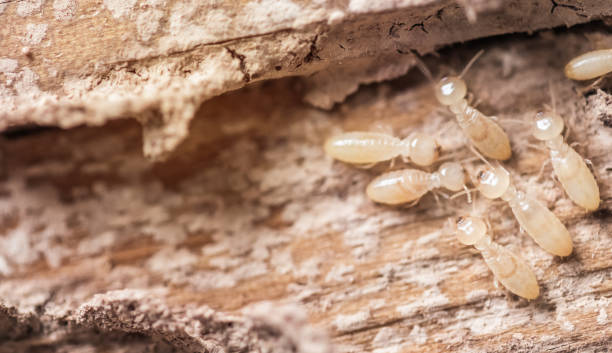
Five Easy-To-Spot Signs That Your Home May Have a Serious Termite Problem
Termites can silently invade your home, causing extensive damage to its structure without immediate detection. Identifying the signs of a termite infestation early can save you both time and money. Here are five easy-to-spot indicators that could suggest a serious termite problem in your home.
1. Mud Tubes on Walls or Foundations
Termites often build mud tubes to travel between their nest and food sources. These pencil-thin tunnels are typically found:
– Along foundation walls
– On basement walls
– Around crawlspaces
– Near wooden structures
Mud tubes help termites retain moisture while traveling, making them one of the most obvious signs of an infestation.
2. Hollow or Damaged Wood
Wood that looks solid on the outside but feels hollow when tapped is a potential warning sign of termite activity. Termites consume wood from the inside out, leaving a honeycomb-like pattern beneath the surface. Inspect:
– Wooden beams in basements or attics
– Floorboards with sagging spots
– Exterior wood siding or fences
To test for damage, lightly tap wood surfaces with a tool or screwdriver to see if they sound hollow.
3. Discarded Wings Near Windows or Doors
Swarmers, also known as reproductive termites, shed their wings after finding a location to establish a new colony. Piles of tiny wings near windowsills, doorways, or light fixtures suggest termites may have entered your home recently.
| Indicator | Details |
| Size | Small and uniform in shape |
| Texture | Clear or white with vein-like patterns |
| Common Locations | Windowsills, doorframes, and light fixtures |
4. Tight-Fitting Doors and Hard-to-Close Windows
A less obvious but common sign of termite activity is warped wood that causes doors and windows to stick. Subterranean termites introduce moisture while eating through wood, leading to swelling and misalignment of frames.
5. Termite Droppings (Frass)
Drywood termites leave behind small piles of droppings resembling sawdust or coffee grounds called frass. Inspect areas near wooden furniture, baseboards, window frames, and attic spaces for this debris.
Key Takeaways for Homeowners
Spotting these signs early can make all the difference in protecting your home from structural damage caused by termites: 1. Look for mud tubes around foundations. 2. Test wooden areas for hollowness. 3. Check for discarded swarmers’ wings. 4. Watch for misaligned windows/doors. 5. Inspect for unusual piles of frass near wooden structures.
By staying vigilant about these signs, you can take swift action to address any potential infestations before they worsen significantly.
The Most Important Factors to Protecting Your Home from Costly Termite Damage
Termites can cause significant structural damage to homes, leading to costly repairs if not addressed promptly. Protecting your home from termite damage requires a proactive, well-rounded approach that tackles prevention, early detection, and effective treatment. Below are the most important factors to consider when safeguarding your property against termites.
1. Maintain Proper Moisture Levels Around Your Home
Termites thrive in moist environments, making water management a critical step in preventing infestations.
- Fix leaks immediately: Repair leaky pipes, faucets, and air conditioning units as soon as possible.
- Ensure proper drainage: Make sure gutters and downspouts direct water away from your home’s foundation. Avoid water pooling near the base of your house.
- Reduce humidity indoors: Use dehumidifiers in basements or crawl spaces where moisture levels tend to build up.
By addressing moisture issues both inside and outside the home, you make it much harder for termites to establish colonies.
2. Keep Wood Away from Soil
Termites feed on wood and need contact with soil for moisture, so minimizing wood-to-soil contact is essential.
- Elevate wooden structures: Ensure that wooden elements such as decks or fencing posts are built at least six inches above ground level.
- Store firewood properly: Avoid stacking firewood against your house or directly on the ground; store it at least 20 feet away from your home.
- Inspect landscaping features: Mulch is often made of wood chips and creates an ideal environment for termites. Use alternatives like gravel or rubber mulch close to your foundation.
These measures help create physical barriers that prevent termites from accessing their food source—wood—via soil connections.
3. Regular Home Inspections
Frequent inspections are one of the most effective ways to detect termite problems early before they escalate into major damage.
- Conduct professional termite inspections annually or more frequently in high-risk areas.
- Basement walls
- Crawl spaces
- Window sills
- Wooden beams
Early detection can significantly reduce repair costs associated with large-scale infestations.
4. Use Preventative Treatments
Preventive treatments create barriers that repel termites before they can infiltrate your property.
| Treatment Type | Description |
| Soil Treatments | Applying termiticides around the foundation can kill existing colonies and deter new ones. |
| Bait Stations | Strategically placed bait traps attract termites with poison-laced bait that helps control colonies over time. |
| Wood Treatments | Borate-based chemicals can be applied directly onto exposed wood surfaces to make them resistant to termites. |
Consult with pest control professionals for application recommendations based on the specific risks around your home.
5. Address Structural Vulnerabilities
- Seal cracks in foundations where termites might enter.
- Repair damaged weatherstripping around doors and windows.
- Replace any rotting or decaying wood immediately since it attracts termites more easily than healthy wood.
Ensuring a strong, well-maintained structure reduces entry points for these destructive pests.
Proactive measures such as reducing moisture levels, maintaining proper barriers between soil and wood elements, conducting regular inspections, utilizing preventative treatments, and addressing structural weaknesses are essential strategies for protecting your home from costly termite damage over time. Leveraging these tactics together ensures long-term safety against infestations while minimizing potential repair expenses down the road.
- Essential Tips for Effective Termite Treatment Miami Homeowners Need to Know
- Effective Miami Termite Control: How to Identify Signs of Termites in Your Home
- Effective Termite Treatment Miami Residents Can Rely on to Protect Their Homes
- How Miami Pest Control Experts Handle Termite Damage to Wooden Structures
- Effective Termite Treatment Miami: Top Warning Signs of an Infestation Every Homeowner Should Know
- Effective Termite Treatment Miami: Protect Your Home with Regular Inspections
- Effective Termite Treatment Miami: Understanding Damage and Protecting Your Home