 Fred Jarrell
 Effective Miami Termite Control: How to Identify Signs of Termites in Your Home
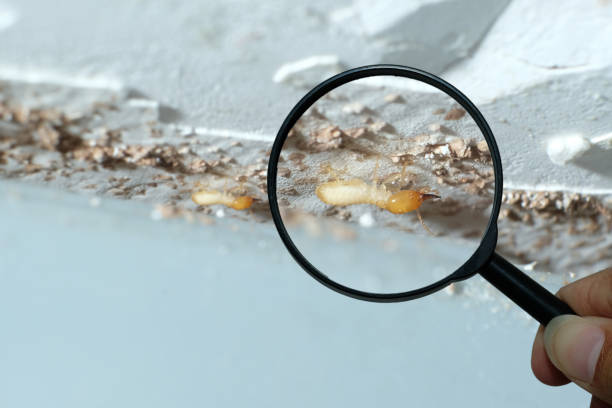
Early Warning Signs of Termite Activity
There are several indicators that termites may have invaded your property. By paying close attention, homeowners can detect infestations before they worsen.
- Cracked or Bubbling Paint: Unexplained cracks or bubbles in paint may be caused by moisture associated with termite activity.
- Droppings (Frass): Drywood termites leave behind small piles of wood-colored pellets, which are their droppings.
- Mud Tubes: Subterranean termites build mud tubes for protection while traveling between their colony and food sources. These pencil-thin tunnels are usually found along walls, foundations, or crawl spaces.
Common Locations for Termite Damage
Different areas of your home may be more prone to termite activity depending on environmental conditions and construction materials.
| Location | Why It’s Vulnerable |
| Wooden Beams & Structures | Primary food source for termites |
| Attics & Crawl Spaces | Moisture buildup creates favorable conditions |
| Basements | Easy access from soil; high humidity levels |
| Near Foundations | Contact with soil makes it easier for subterranean termites |
| Window & Door Frames | Wood exposure combined with occasional moisture accumulation |
Differences Between Drywood and Subterranean Termites
- Do not require contact with soil.
- Thrive within dry wood structures like furniture or hardwood flooring.
- Live below ground and build mud tubes for protection while traveling above ground.
- Cause significant structural damage by targeting foundational wood and moist environments.
Tools You Can Use to Inspect Infestations
Homeowners can use certain tools and techniques for inspections: – A flashlight for dark crawl spaces or basements. – A screwdriver or probe tool to test the strength of potentially infested wood by gently pressing its surface. – Visual monitoring around exterior walls where mud tubes might form.
By being proactive in identifying these signs, you’ll have a better chance of addressing potential infestations before they escalate into major concerns. Early detection allows you to protect your home’s integrity effectively while saving costs associated with severe damage repairs.
Effective Termite Treatment Miami: Recognizing the Most Common Signs of Infestations in Homes
Early detection of a termite infestation can save homeowners from costly repairs and extensive structural damage. Below, we outline some key indicators to watch for, along with tips on identifying them effectively.
One of the earliest signs of termites is the presence of discarded wings near windows, doors, and other entry points. These tiny wings often resemble fish scales and are typically found in piles.
- Around window sills
- Near door frames
- In spider webs inside or outside the home
- Tap wooden beams, walls, or furniture.
- Use a screwdriver or similar tool to gently probe exposed wood for weak spots.
Subterranean termites build mud tubes as passageways between their colonies and food sources. These pencil-thin tunnels are made from soil and saliva, allowing termites to maintain moisture levels while traveling.
- Along foundation walls
- Underneath crawl spaces
- Around baseboards or ceilings
| Mud Tube Characteristics | What It Indicates |
| Thin but continuous | Active termite activity |
| Broken or dry | May indicate older activity |
| Found near damaged wood | Likely linked to structural infestations |
- Hard and granular texture
- Varying shades from dark brown to light tan
- Beneath wooden furniture
- Around baseboards or window frames
- Tight-fitting windows
- Uneven doorframes
- Sticky window sashes
Additional Warning Signals:
- Peeling paint resembling water damage
- Small cracks in drywall
- Patterns in wood that resemble mazes
Taking immediate steps upon noticing these warning signs is crucial for minimizing damage caused by termites. Proper inspection by pest control professionals ensures accurate identification and timely intervention before the problem worsens.
Signs of Termite Mud Trails and How Miami Pest Control Can Help
These structures are created by termites as a means of protection while they travel between their colony and food sources. Understanding what these mud trails indicate can help homeowners assess the extent of an infestation and take the necessary steps for remediation.
What Are Termite Mud Trails?
Mud trails are tunnel-like structures made from a combination of soil, wood particles, saliva, and termite feces.
- Protection: These tubes shield termites from predators such as ants and provide a controlled environment with the right temperature and humidity.
- Transportation: Mud tubes function as pathways between a termite colony (often located underground) and their primary food source (wood).
- Communication: Termites use these tunnels to maintain contact between the colony workers, soldiers, and reproductive members.
Types of Termite Mud Tubes
There are four main types of mud trails that may indicate a termite infestation.
| Type | Description | Location Found |
| Exploratory Tubes | Temporary tubes that termites use to scout new food sources | Found on walls or surfaces leading in various directions |
| Working Tubes | Permanent tunnels used for ongoing transportation between colony and food | Typical along foundations or wooden surfaces |
| Drop Tubes | Vertical tubes hanging from ceilings or wooden structures | Often found in basements or crawl spaces |
| Swarm Tubes | Tunnels created by reproductive termites during swarming events | Typically seen near entry points |
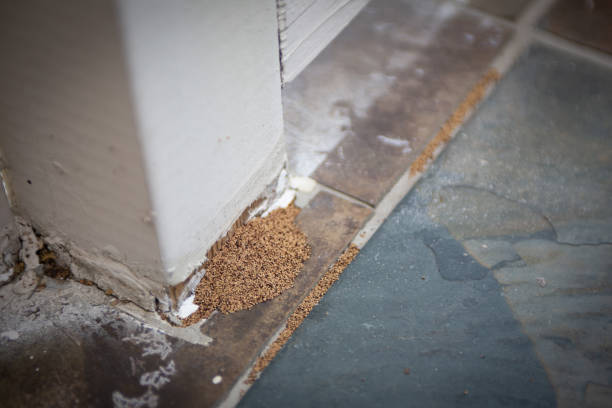
What Do Mud Trails Indicate About an Infestation?
- Active Infestation
The presence of intact, moist mud tubes usually indicates an active termite infestation within your home. If you break open a section of the tube and see live termites moving inside, this confirms activity. - Pathways to Food Sources
Mud trails often lead directly to areas where wood or cellulose-based materials are being consumed. Inspect nearby wood for signs like hollow sounds or visible damage. - Colony Growth Stage
Extensive networks of mud tubes may suggest that the infestation is well-established. Larger colonies build more extensive tunneling systems due to increased demand for resources. - Structural Vulnerabilities
The location of the mud trails often reveals structural vulnerabilities in your property—such as cracks in foundations or poorly sealed entry points—that allow termites access into your home.
Steps to Address Termite Mud Trails
- Assess Damage:Inspect wooden components near mud trails for structural damage such as hollowed-out beams.
- Break Open Tubes:Carefully break open a section to check for live activity.
- Call a Professional:Contact licensed pest control professionals who specialize in termite inspections and treatments.
- Seal Entry Points:Use caulk or cement to seal any visible cracks or crevices where termites could enter.
- Prevent Future Issues:Consider installing physical barriers or applying termiticides around your home’s foundation.
By understanding what termite mud trails indicate about an infestation and taking appropriate action, you can protect both your property’s structural integrity and its long-term value. Timely identification is key when dealing with these silent yet destructive pests.
Identifying Termite Issues?
Termites are often difficult to detect because they work silently and remain hidden. However, there are subtle indicators that can reveal their presence in your home. One of these is unusual clicking sounds in the walls, along with various other signs that homeowners should be aware of to prevent extensive damage.
Why Do Termites Make Clicking Sounds?
The clicking or rustling noises associated with termites are often caused by soldier termites. These termites are responsible for warning the colony of potential threats. When disturbed or when sensing danger, soldier termites use their heads to bang against wood surfaces, creating a faint tapping or clicking sound.
- Worker termites may also produce sounds as they chew through wood and other materials.
- The noise level is typically faint during the day but becomes more noticeable at night when the surroundings are quiet.
If you hear these sounds coming from your walls, it could be an indication of an active termite infestation.
Other Subtle Indicators of Termite Activity
- Tapping on wooden structures may produce a hollow sound if termites have eaten away the interior portion.
- This can be especially concerning for load-bearing structures like beams and joists.
- When termites tunnel close to the surface, they leave behind thin layers of paint or plaster that bubble or blister.
- This is often mistaken for water damage but could indicate termite activity underneath.
- These wings are translucent and uniform in size.
- Termite droppings, also known as frass, resemble small piles of sawdust or coffee grounds.
- You might find these near baseboards or wooden furniture.
- In some cases, termites can cause structural shifts that result in cracks forming on walls or ceilings.
Table: Comparison Between Termite Clicks and Other Household Noises
| Feature | Termite Clicks | Rodent Noises | Plumbing Sounds |
| Time Most Noticeable | Nighttime | Nighttime | Anytime |
| Sound Characteristics | Faint tapping/clicking | Scratching/gnawing | Gurgling/knocking |
| Source Location | Inside wood structures | Within walls/ceilings | Behind pipes |
| Likely Cause | Soldier termite activity | Rodents moving through spaces | Air pressure changes |
What Should You Do If You Suspect Termites?
- Conduct a thorough inspection around your property focusing on areas like basements, crawl spaces, and wooden furniture.
- Contact a licensed pest control professional for an assessment if you’re unsure about the source of noises or signs.
- Avoid disturbing suspected areas until professionals can confirm whether an infestation exists; disturbing active colonies may cause them to relocate within your home.
By being vigilant about these subtle signs—including listening for unusual noises—you can catch termite problems early and mitigate potential structural damage effectively.
Effective Termite Removal Miami: How to Identify and Deal with Termites
Being able to identify termites is vital for recognizing an infestation early and taking the necessary steps to protect your property. Termites are often mistaken for other small insects, such as ants, so understanding their appearance and behavior is essential. Below is a detailed guide on how to identify termites effectively.
Physical Characteristics of Termites
- Size: Most termites are small, ranging from 1/8 inch to 1/2 inch in length.
- Workers are typically pale cream or white.
- Soldiers may have darker heads with large mandibles.
- Reproductive termites (alates) are often dark brown or black.
- Wings: Alates, also known as swarmers, have two pairs of equally-sized wings. These wings are translucent with a slight vein pattern and tend to be longer than the termite’s body.
- Antennae: Unlike ants, which have bent antennae, termites have straight, bead-like antennae.
Key Differences Between Termites and Ants
It’s easy to confuse termites with flying ants during their swarming season.
| Feature | Termites | Ants |
| Body Shape | Uniform width; no waistline | Narrow “pinched” waist |
| Wings | Two pairs of equal size | Front wings larger than hind wings |
| Antennae | Straight and bead-like | Bent or elbowed |
| Color | Light (workers) to dark (alates) | Typically dark brown or black |
Where to Look for Termites
Termites prefer dark, damp environments and may not always be visible on the surface.
- Wood Structures: Check wooden furniture, structural wood beams, floorboards, and walls for damage or hollow sounds when tapped.
- Mud Tubes: Inspect areas near your foundation for small tunnels made of mud. These tubes serve as protective pathways for subterranean termites traveling between their nest and food sources.
- Windowsills and Light Fixtures: During swarming season, discarded wings may accumulate around windowsills or light fixtures.
Behavioral Indicators of Termite Activity
- Swarming Behavior: Look out for reproductive alates flying near windows or lights during warm evenings—this indicates a nearby colony preparing to expand.
- Discarded WingsPiles of discarded wings are a telltale sign of termite activity.
- Subterranean termites create honeycomb-like patterns inside wood while leaving thin outer layers intact.
- Drywood termites produce smooth galleries with frass (termite droppings) nearby.
By using these identification strategies—examining physical traits and observing behavioral clues—you’ll be better equipped to spot termites early before they cause extensive damage to your property. Always consider consulting pest control professionals if you suspect an infestation.
Effective Ways to Prevent Termite Infestations and Protect Your Property
Termites are a significant threat to the structural integrity of homes and buildings. Preventing an infestation before it starts is far more effective—and less costly—than addressing it after termites have caused damage. Here are some proven strategies to safeguard your property from termites.
Termites thrive in moist environments, making moisture control essential for prevention.Fix plumbing leaks: Repair any leaking pipes, faucets, or air conditioning units promptly.Ensure proper drainage: Make sure water flows away from the foundation by grading the soil appropriately.Clear gutters and downspouts: Debris buildup can lead to excess moisture, inviting termites closer to your property.
Since many termite species feed on wood, reducing their access points is crucial. – Keep wooden components of your home (e. g. , siding or framework) at least six inches above the soil. – Use metal or concrete barriers when building decks or patios that connect to the house. – Store firewood, lumber, and wooden debris away from your home and off the ground.
Even small cracks can serve as entry points for termites. Inspect your property for gaps or vulnerabilities and take appropriate measures: – Apply caulk around windows, doors, and utility lines entering the house. – Seal cracks in foundations or walls with a quality filler material.
When building or renovating, consider using materials resistant to termite damage: | Material Type | Resistance Level | |———————–|———————–| | Treated wood | High | | Concrete | Excellent | | Steel framing | Superior |
Incorporating these materials into your construction process can reduce long-term risks.
Periodic inspections by professionals help detect early signs of termite activity before they escalate into severe infestations: – Schedule annual inspections for both interior and exterior areas of your property. – Focus on crawl spaces, basements, attics, foundations, and other areas prone to moisture.
For new buildings or major renovations: – Install physical barriers like stainless steel mesh or sand beneath foundations. – Apply chemical soil treatments that repel termites from entering structures.
Certain landscaping practices inadvertently attract termites. To minimize these risks: – Avoid planting trees or shrubs too close to your house; roots can create pathways for termites into foundation cracks. – Remove dead stumps or decaying wood from yards promptly.
By employing these preventive measures consistently, you can protect your property against costly termite infestations while maintaining its structural integrity over time.
- Essential Tips for Effective Termite Treatment Miami Homeowners Need to Know
- Effective Miami Termite Control: How to Identify Signs of Termites in Your Home
- Effective Termite Treatment Miami Residents Can Rely on to Protect Their Homes
- How Miami Pest Control Experts Handle Termite Damage to Wooden Structures
- Effective Termite Treatment Miami: Top Warning Signs of an Infestation Every Homeowner Should Know
- Effective Termite Treatment Miami: Protect Your Home with Regular Inspections
- Effective Termite Treatment Miami: Understanding Damage and Protecting Your Home
Effective Termite Treatment Miami Residents Can Rely on to Protect Their Homes

Termites are among the most destructive pests that can invade a home, causing billions of dollars in property damage annually. Protecting your home from termites requires proactive strategies designed to prevent infestations and minimize the risk of structural damage. Implementing year-round termite prevention measures is essential for safeguarding your investment.
Why Year-Round Protection Matters
Termites are active throughout the year, even during colder months when they tend to burrow deeper into soil or wood for warmth. Because their activity is constant, relying on seasonal pest control alone leaves your property vulnerable. A comprehensive, year-round approach ensures that termites are addressed before they cause significant damage.
- Continuous Activity: Termites can remain hidden inside walls, floors, or foundations while steadily consuming wood.
- Population Growth: Without intervention, termite colonies grow rapidly and become harder to control over time.
- Unpredictable Infestations: Environmental changes like moisture buildup or landscaping shifts may invite termites at any time.
Preventative Measures Throughout the Year
To effectively protect your home from termite damage, adopt a combination of preventive strategies that address various risks.
- Schedule professional inspections annually or biannually.
- Personally examine high-risk areas such as basements, crawl spaces, and wooden structures for early signs of infestation.
- Fix leaks in plumbing, roofing, or air conditioning systems immediately.
- Use dehumidifiers in basements or poorly ventilated areas to reduce humidity levels.
- Ensure proper drainage around the foundation by cleaning gutters and extending downspouts away from your home.
- Keep mulch at least 12 inches away from the foundation as it creates an ideal environment for termites.
- Avoid stacking firewood near exterior walls.
- Trim trees and shrubs so they do not touch your home’s siding or roof.
- Install termite barriers during construction using materials like stainless steel mesh or sand below foundations.
- Apply chemical soil treatments around existing buildings as an added defense layer.
- Seal cracks in wooden surfaces to prevent access points for termites.
- Treat exposed wood with borate solutions that deter termite activity.
- Replace rotting or damaged wood promptly before it attracts pests.
Comparing Termite Control Methods
| Method | Benefits | Limitations |
| Chemical Treatments | Long-lasting protection; effective | May require professional application |
| Bait Systems | Targets colonies directly | Slower results |
| Physical Barriers | Non-toxic; durable | Best installed during construction |
| Natural Remedies | Eco-friendly; minimal chemicals | Less effective for severe infestations |
Partnering with Professionals
Even with diligent efforts, some aspects of termite prevention require professional expertise. Pest control specialists use advanced detection tools such as infrared cameras and moisture meters to locate hidden infestations. Additionally, licensed professionals provide customized treatment options tailored to your specific needs.
By adopting these year-round strategies and seeking expert advice when needed, you can significantly reduce the likelihood of costly termite damage while protecting the structural integrity of your home over time.
Miami Termite Control: Key Differences Between Termites and Carpenter Ants
Differentiating termites from carpenter ants is crucial for effective pest control and proper management strategies. While both pests can cause structural damage, they have distinct behaviors, characteristics, and effects on your property. Below is a detailed breakdown to help you understand their key differences.
Effective Miami Pest Control Solutions for Your Home
| Feature | Termites | Carpenter Ants |
| Body Shape | Straight, uniform width from head to abdomen | Narrow waist separating thorax and abdomen |
| Antennae | Straight or slightly curved | Bent or elbowed |
| Wings (Swarmers) | Equal length front and hind wings | Front wings longer than hind wings |
| Color | Creamy white (workers), darker for swarmers | Black or reddish-brown |
Expert Exterminator Miami, FL: Solving Your Pest Problems
- Termites: They consume cellulose material, such as wood, paper, or plant-based products. Subterranean termites build colonies underground connected to food sources via mud tubes. Drywood termites inhabit dry wood directly without requiring soil contact.
- Carpenter Ants: Instead of eating wood, carpenter ants excavate it to create nests. They prefer moist or decayed wood but can expand into sound structures as infestations grow.
- Termites: Known as “silent destroyers,” termites continuously feed on wooden structures from the inside out without being noticed until substantial damage occurs.
- Carpenter Ants: These ants do not consume wood; instead, they forage for sugary substances like honeydew from aphids or protein-rich materials such as insects.
- Termite colonies are larger in size with millions of workers governed by a queen that lays thousands of eggs daily.
- Carpenter ant colonies are smaller in scale (typically tens of thousands) with multiple satellite nests near main nesting sites.
Effective Termite Removal Miami: Understanding Damage Patterns
- Termite damage appears smooth with hollowed-out galleries filled with mud or frass.
- Carpenter ant tunnels appear clean and polished without mud residue but may contain piles of sawdust near entry points.
Prevention Techniques
For Termites:
- Reduce moisture levels around your property by fixing leaks, maintaining proper drainage, and ensuring good ventilation in crawl spaces.
- Remove wood debris or mulch near your home’s foundation.
- Use termite bait systems or professional treatment plans to safeguard vulnerable areas.
For Carpenter Ants:
- Eliminate moisture issues by repairing leaky pipes and sealing gaps in windows/doors.
- Trim tree branches away from the structure’s roofline to minimize access points.
- Store firewood away from the building’s perimeter and check it regularly for signs of activity.
Understanding these distinctions allows homeowners to identify pests accurately and take appropriate action against infestations before extensive damage occurs to their property. Proper identification is critical when seeking professional assistance for extermination efforts tailored specifically for either termites or carpenter ants.
Understanding the Key Differences Between Termites and Carpenter Ants
Termites and carpenter ants are two of the most common pests that can wreak havoc on homes. While they exhibit some similarities, understanding their key differences is essential to properly identify and manage these pests. Below, we’ll explore distinguishing features, behaviors, and the damage they cause to help you protect your home.
Physical Appearance
| Feature | Termites | Carpenter Ants |
| Body Shape | Thick-waisted, no distinct segments | Narrow waist with distinct segments |
| Antennae | Straight or beaded | Elbowed or bent |
| Wings (if present) | Equal-sized wings | Front wings larger than hind wings |
| Color | Creamy white (workers) or brown | Dark brown, black, or reddish |
Behavior
The behaviors of termites and carpenter ants also differ significantly. Knowing how they behave can help pinpoint which pest is present.
- Termites feed on cellulose found in wood, paper, and drywall.
- Carpenter ants do not eat wood; instead, they excavate it to create nests.
- Termites prefer moist environments close to soil.
- Carpenter ants are often found in damp or decayed wood but may also nest in dry wood if conditions allow.
- Termite activity is generally hidden within walls or underground.
- Carpenter ants tend to leave visible sawdust-like material near their nesting sites due to their excavation process.
Damage Caused
- Creates hollow tunnels through wood.
- Damaged areas may sound hollow when tapped.
- Mud tubes are often seen leading from soil to structure as a pathway for termites.
- Excavates smooth tunnels within wood but does not consume it.
- Leaves behind piles of frass (wood shavings) near nesting sites as evidence of their activity.
Detection Tips
- Look for mud tubes along walls or foundations (termite-specific).
- Search for piles of frass near wooden structures (carpenter ant indicator).
- Check for discarded wings around windowsills—both pests shed wings during swarming seasons.
- Tap wooden surfaces; hollow sounds often point toward termite damage.
By learning the distinctions outlined above between termites and carpenter ants in terms of appearance, behavior, and damage patterns, homeowners are better equipped to identify infestations early. Early identification allows for targeted action plans that minimize further structural issues and costly repairs.
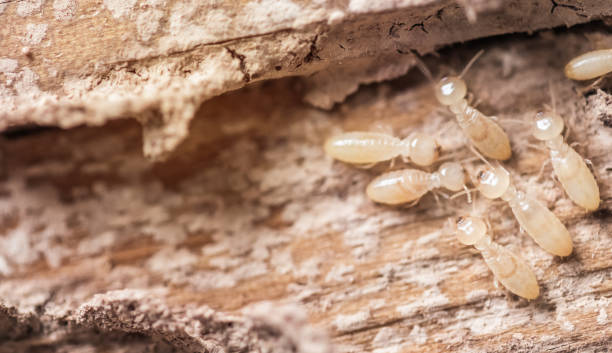
Five Easy-To-Spot Signs That Your Home May Have a Serious Termite Problem
Termites can silently invade your home, causing extensive damage to its structure without immediate detection. Identifying the signs of a termite infestation early can save you both time and money. Here are five easy-to-spot indicators that could suggest a serious termite problem in your home.
1. Mud Tubes on Walls or Foundations
Termites often build mud tubes to travel between their nest and food sources. These pencil-thin tunnels are typically found:
– Along foundation walls
– On basement walls
– Around crawlspaces
– Near wooden structures
Mud tubes help termites retain moisture while traveling, making them one of the most obvious signs of an infestation.
2. Hollow or Damaged Wood
Wood that looks solid on the outside but feels hollow when tapped is a potential warning sign of termite activity. Termites consume wood from the inside out, leaving a honeycomb-like pattern beneath the surface. Inspect:
– Wooden beams in basements or attics
– Floorboards with sagging spots
– Exterior wood siding or fences
To test for damage, lightly tap wood surfaces with a tool or screwdriver to see if they sound hollow.
3. Discarded Wings Near Windows or Doors
Swarmers, also known as reproductive termites, shed their wings after finding a location to establish a new colony. Piles of tiny wings near windowsills, doorways, or light fixtures suggest termites may have entered your home recently.
| Indicator | Details |
| Size | Small and uniform in shape |
| Texture | Clear or white with vein-like patterns |
| Common Locations | Windowsills, doorframes, and light fixtures |
4. Tight-Fitting Doors and Hard-to-Close Windows
A less obvious but common sign of termite activity is warped wood that causes doors and windows to stick. Subterranean termites introduce moisture while eating through wood, leading to swelling and misalignment of frames.
5. Termite Droppings (Frass)
Drywood termites leave behind small piles of droppings resembling sawdust or coffee grounds called frass. Inspect areas near wooden furniture, baseboards, window frames, and attic spaces for this debris.
Key Takeaways for Homeowners
Spotting these signs early can make all the difference in protecting your home from structural damage caused by termites: 1. Look for mud tubes around foundations. 2. Test wooden areas for hollowness. 3. Check for discarded swarmers’ wings. 4. Watch for misaligned windows/doors. 5. Inspect for unusual piles of frass near wooden structures.
By staying vigilant about these signs, you can take swift action to address any potential infestations before they worsen significantly.
The Most Important Factors to Protecting Your Home from Costly Termite Damage
Termites can cause significant structural damage to homes, leading to costly repairs if not addressed promptly. Protecting your home from termite damage requires a proactive, well-rounded approach that tackles prevention, early detection, and effective treatment. Below are the most important factors to consider when safeguarding your property against termites.
1. Maintain Proper Moisture Levels Around Your Home
Termites thrive in moist environments, making water management a critical step in preventing infestations.
- Fix leaks immediately: Repair leaky pipes, faucets, and air conditioning units as soon as possible.
- Ensure proper drainage: Make sure gutters and downspouts direct water away from your home’s foundation. Avoid water pooling near the base of your house.
- Reduce humidity indoors: Use dehumidifiers in basements or crawl spaces where moisture levels tend to build up.
By addressing moisture issues both inside and outside the home, you make it much harder for termites to establish colonies.
2. Keep Wood Away from Soil
Termites feed on wood and need contact with soil for moisture, so minimizing wood-to-soil contact is essential.
- Elevate wooden structures: Ensure that wooden elements such as decks or fencing posts are built at least six inches above ground level.
- Store firewood properly: Avoid stacking firewood against your house or directly on the ground; store it at least 20 feet away from your home.
- Inspect landscaping features: Mulch is often made of wood chips and creates an ideal environment for termites. Use alternatives like gravel or rubber mulch close to your foundation.
These measures help create physical barriers that prevent termites from accessing their food source—wood—via soil connections.
3. Regular Home Inspections
Frequent inspections are one of the most effective ways to detect termite problems early before they escalate into major damage.
- Conduct professional termite inspections annually or more frequently in high-risk areas.
- Basement walls
- Crawl spaces
- Window sills
- Wooden beams
Early detection can significantly reduce repair costs associated with large-scale infestations.
4. Use Preventative Treatments
Preventive treatments create barriers that repel termites before they can infiltrate your property.
| Treatment Type | Description |
| Soil Treatments | Applying termiticides around the foundation can kill existing colonies and deter new ones. |
| Bait Stations | Strategically placed bait traps attract termites with poison-laced bait that helps control colonies over time. |
| Wood Treatments | Borate-based chemicals can be applied directly onto exposed wood surfaces to make them resistant to termites. |
Consult with pest control professionals for application recommendations based on the specific risks around your home.
5. Address Structural Vulnerabilities
- Seal cracks in foundations where termites might enter.
- Repair damaged weatherstripping around doors and windows.
- Replace any rotting or decaying wood immediately since it attracts termites more easily than healthy wood.
Ensuring a strong, well-maintained structure reduces entry points for these destructive pests.
Proactive measures such as reducing moisture levels, maintaining proper barriers between soil and wood elements, conducting regular inspections, utilizing preventative treatments, and addressing structural weaknesses are essential strategies for protecting your home from costly termite damage over time. Leveraging these tactics together ensures long-term safety against infestations while minimizing potential repair expenses down the road.
- Essential Tips for Effective Termite Treatment Miami Homeowners Need to Know
- Effective Miami Termite Control: How to Identify Signs of Termites in Your Home
- Effective Termite Treatment Miami Residents Can Rely on to Protect Their Homes
- How Miami Pest Control Experts Handle Termite Damage to Wooden Structures
- Effective Termite Treatment Miami: Top Warning Signs of an Infestation Every Homeowner Should Know
- Effective Termite Treatment Miami: Protect Your Home with Regular Inspections
- Effective Termite Treatment Miami: Understanding Damage and Protecting Your Home
How Miami Pest Control Experts Handle Termite Damage to Wooden Structures

Identifying a termite infestation early is crucial to minimizing damage to your property. By understanding the key signs and indicators of their presence, homeowners can take prompt action. Below, we explore the most common signs that termites may be invading your home.
Visible Signs of Termite Activity
- Mud TubesThese tubes provide moisture and protection for termites as they travel between their colony and food sources.
- Discarded Wings: Swarming termites shed their wings after finding a mate and establishing a new colony.
- Frass (Termite Droppings): Drywood termites leave behind tiny wood-colored pellets called frass, which resemble sawdust or coffee grounds. Finding frass near wooden structures may signal an infestation.
- Hollow-Sounding Wood: When you tap on wooden beams or furniture that has been infested by termites, it may sound hollow due to internal tunneling.
- Blistering Paint or Uneven Surfaces: Termites can cause moisture buildup beneath paint or wallpaper as they feed on the wood beneath. This may result in bubbling paint or peeling surfaces.
Unexplained Structural Issues
| Problem | Possible Cause |
| Sagging floors | Weakened wooden supports |
| Cracks in walls | Damage caused by tunneling beneath surfaces |
| Sticking windows/doors | Wood swelling due to excess moisture from termites |
Areas Most at Risk for Infestation
- Foundation Gaps and Cracks– Subterranean termites often enter homes through small gaps in the foundation.
- Wooden Structures Near Soil Contact– Decks, fences, or steps close to soil are particularly vulnerable.
- Crawl Spaces and Basements– Dark, moist environments provide ideal conditions for colonies.
Tips for Regular Inspection
- Check external walls near soil lines for mud tubes.
- Inspect wooden beams in basements or attics using a flashlight and screwdriver.
- Look under sinks and cabinets for signs of water leaks that could attract termites.
By remaining vigilant and aware of these signs, you can reduce the risk of a full-scale infestation taking hold within your home. Early detection not only prevents extensive damage but also ensures lower repair costs over time. Understanding these indicators is the first step toward effective management strategies against these destructive pests.
Effective Termite Treatment Miami: Preventing Damage to Wooden Structures
Termites are among the most destructive pests when it comes to wooden structures, causing billions of dollars in damage annually across the globe. Understanding the extent of their destructiveness and how to manage it is critical for homeowners and property managers. Below, we’ll explore the types of damage termites can inflict, signs of structural compromise, and remediation methods.
Types of Damage Caused by Termites
This feeding behavior can result in significant structural and aesthetic damage.
- Structural Weakening: Termites hollow out wood from the inside, leaving behind a thin outer layer.
- Aesthetic Damage: Infested wooden furniture or decorative elements often show visible signs such as discoloration or blistering.
- Damage to Adjacent Materials: Although termites prefer wood, they can chew through plaster, drywall, insulation, or even thin metal sheeting in search of food.
Indicators of Termite-Related Structural Damage
Early identification is essential to prevent significant losses.
- Mud Tubes: Subterranean termites create pencil-sized mud tunnels along walls or foundations for safe travel between their colony and food source.
- Hollow-Sounding Wood: Tapping on wooden structures may reveal a hollow sound due to internal feeding activity.
- Warped or Blistered Wood: Uneven surfaces on floors or walls could indicate that termites are tunneling beneath.
- Frass (Wood Droppings): Drywood termites leave behind small piles of wood-colored pellets near infested areas.
- Swarmer Activity: Winged reproductive termites emerging indoors often indicate an active infestation nearby.
Cost Implications of Termite Damage
The financial costs associated with termite-related repairs can vary depending on severity.
| Type of Repair | Estimated Cost Range |
| Replacement of Damaged Beams | $1,500 – $5,000 |
| Floor Repairs | $800 – $3,500 |
| Repainting Post-Infestation | $500 – $2,000 |
| Inspections & Treatments | $300 – $1,200 annually |
Steps to Address Termite Infestations
Once an infestation has been identified or suspected, swift action is crucial.
- Hire a Professional Pest Inspector
A licensed termite inspector will confirm the presence and extent of an infestation using specialized tools like infrared cameras or moisture meters. - Chemical Treatments: Application of termiticides around your property’s perimeter.
- Baiting Systems: Installation of bait traps that lure and poison termites over time.
- Fumigation: Recommended for severe drywood termite infestations affecting multiple areas.
- Repair Damaged Areas Once treated successfully:
- Replace severely compromised beams with pressure-treated lumber.
- Fill minor cracks with wood filler before repainting for a seamless finish.
- Prevent Future Infestations Prevention strategies include:
- Eliminating moisture buildup around foundations by fixing leaks promptly.
- Sealing entry points such as cracks in siding or foundation walls.
- Regular inspections by professionals every 1–2 years.
Understanding the destructive potential that termites pose to wooden structures emphasizes why immediate action is essential when dealing with infestations—no matter how small they seem at first glance—and reinforces preventative measures to safeguard your home long-term.
Understanding the extent of the damage termites can inflict and how to mitigate it is essential for preserving the value and safety of your home.
Types of Damage Caused by Termites
- Structural Weakening:
- Cosmetic Damage:
In addition to structural damage, termites leave behind unsightly signs such as blistered wood surfaces, peeling paint (due to moisture buildup), and mud tubes running along walls or foundations. - Damage to Furniture and Fixtures:
Termites don’t limit their destruction to building materials—they can also infest wooden furniture, cabinets, bookshelves, and decorative items. - Impact on Electrical Systems:
In some cases, termites may chew through insulating materials around electrical wiring, increasing the risk of fire hazards.
Indicators of Termite Damage in Wooden Structures
Detecting termite activity early can help minimize the extent of damage.
- Visible mud tubes along baseboards or foundation walls
- Tiny holes or galleries on wooden surfaces
- Frass (termite droppings) that resemble small pellets
- Buckling floorboards or sagging ceilings
- Doors or windows that become difficult to open due to warping
How to Address Termite Damage
Once termite damage is identified, it’s crucial to take swift action.
- Assess the Extent of Damage: Hire a professional pest control expert who specializes in termite inspections. They will evaluate how widespread the infestation is and identify which areas are compromised.
- Minor damage may be repaired by filling cracks with wood fillers.
- Severely damaged sections should be replaced entirely with treated wood resistant to pests.
- Use termiticides or baiting systems applied by certified experts.
- Consider fumigation for extensive infestations where localized treatments aren’t sufficient.
- Strengthen Vulnerable Areas: Reinforce weakened beams or supports with steel brackets or additional lumber after treatment has eradicated active termites.
| Severity | Recommended Action | Example Solutions |
| Minor | Wood filler repairs | Epoxy-based fillers |
| Moderate | Replace affected sections | Treated timber replacement |
| Severe | Structural reinforcement | Steel supports; consult structural engineer |
- Prevent Future Infestations: Implement preventative measures like sealing cracks in foundations, reducing moisture levels near wooden elements through proper drainage systems, and using termite-resistant building materials during renovations.
Long-Term Strategies for Mitigating Risks
- Conduct routine inspections at least once a year.
- Maintain proper ventilation in crawl spaces.
- Store firewood away from your home’s foundation.
- Remove dead trees or stumps near your property as they attract termites.
- Schedule professional pest-control services proactively instead of waiting for visible evidence.
By understanding how termites attack wooden structures and taking proactive measures against them promptly after detection, homeowners can minimize repair costs while preserving their property’s integrity over time.

Understanding Termite Types and How an Exterminator Miami, FL Can Help
Termites are highly specialized insects that play a crucial role in breaking down dead plant material in natural ecosystems. However, when they invade human structures, they can become destructive pests. Understanding the different types of termites and their unique traits can help homeowners and professionals identify the species they’re dealing with and select the most effective management strategies. Below is a breakdown of the key termite types and their distinct characteristics.
Major Types of Termites
- Habitat: These termites build colonies in soil, often underground, and construct mud tubes to access food sources above ground.
- Diet: They primarily consume cellulose from wood, paper, or other plant-based materials.
- Damage Potential: Subterranean termites are considered the most destructive type due to their large colony sizes and relentless feeding habits.
- Pale cream-colored workers.
- Winged reproductives (alates) are darker brown or black.
- Mud tubes on walls or foundation as a key indicator of their activity.
- Habitat: Unlike subterranean termites, drywood termites live entirely within wood, requiring no contact with soil or water sources. They can infest furniture, framing, flooring, and even wooden ornaments.
- Diet: Their food source is dry wood with low moisture content.
- Damage Potential: Damage tends to occur more slowly compared to subterranean species but can still be significant over time.
- Pelleted frass (fecal material) near infested areas.
- Galleries inside wood that have a smooth finish.
- Light-to-dark brown alates during swarming events.
- Habitat: Dampwood termites require high-moisture environments and are typically found in decaying wood, wet logs, or areas with consistent exposure to water.
- Diet: Moist and decayed wood is their primary food source.
- Damage Potential: They are less likely to damage homes since they prefer moist environments not commonly found indoors unless there’s an existing water leak issue.
- Large bodies compared to other termite types.
- Nests located directly within damp wooden structures.
- Formosan Termites (Coptotermes formosanus)
Often considered a subset of subterranean termites but notable for their aggressive behavior and exceptionally large colonies. - Habitat & Behavior: Build nests both underground and in structures such as wall voids or roof spaces if moisture conditions allow.
- Capable of consuming vast amounts of wood in relatively short periods due to colony size.
Comparison Table
| Type | Habitat | Key Indicators | Damage Level |
| Subterranean | Soil-connected areas | Mud tubes; pale workers | High |
| Drywood | Inside dry wood | Pelleted frass; smooth galleries | Moderate |
| Dampwood | Moist environments | Decayed wood; larger size | Low |
| Formosan | Varied | Aggressive feeding; large nests | Very High |
Why It’s Important to Identify Termite Types
- Subterranean termites may need soil treatments or baiting systems targeting their colonies below ground.
- Drywood termites often require localized treatment like fumigation since they live inside wooden structures without soil access.
- Dampwood termite infestations typically involve eliminating moisture issues alongside direct treatment of infested areas.
By understanding these differences among termite species, property owners can implement more effective prevention measures while ensuring targeted pest control treatments for better long-term outcomes.
Effective Termite Removal Miami: Tips to Protect Your Home from Infestations
Termites are silent destroyers that can cause significant damage to your home if left unchecked. Implementing preventative measures is crucial to safeguard your property. Here are some effective strategies to protect your home from termite infestations.
Maintain Proper Moisture Control
Termites thrive in moist environments, so reducing excess moisture around your home is critical.
- Fix plumbing leaks: Repair leaky pipes, faucets, and air conditioning units promptly.
- Improve drainage: Ensure gutters and downspouts direct water away from your home’s foundation.
- Eliminate standing water: Remove sources of stagnant water near or around your property.
By addressing moisture issues, you create an environment less appealing to termites.
Use Termite-Resistant Building Materials
If you’re constructing or renovating a home, selecting materials resistant to termites can help prevent infestations.
| Building Material | Description |
| Treated Wood | Chemically treated wood resists termite damage. |
| Concrete or Steel Framing | These materials provide no food source for termites. |
| Composite Materials | A mix of recycled materials and resin designed to be termite-resistant. |
Incorporating these materials into key areas such as foundations, walls, and decks can enhance long-term protection.
Establish Physical and Chemical Barriers
- Stainless steel mesh barriers installed during construction.
- Sand barriers that block pathways for subterranean termites.
- Soil treatments with termiticides around the foundation.
- Applying borate sprays on wood surfaces during construction.
Ensure these measures are installed professionally for optimal results.
Remove Termite Food Sources
- Store firewood at least 20 feet away from the house.
- Keep mulch and wood debris away from the base of your home’s foundation.
- Trim trees and shrubs so they do not touch exterior walls or roofs.
Simple adjustments in landscaping maintenance can make a significant difference.
Conduct Regular Inspections
Routine inspections by homeowners or pest control professionals are essential for catching early signs of termite activity.
- Wooden structures (e. g. , beams, flooring).
- Crawl spaces or basements.
- Cracks in the foundation where termites may enter.
Regular inspections will enable you to address potential problems before they escalate into severe infestations.
Partner with Pest Control Professionals
Professional pest control services offer comprehensive solutions tailored to protecting homes against termites.
- Application of advanced baiting systems.
- Routine monitoring programs for early detection.
- Expert advice on maintaining a termite-free environment.
Collaborating with professionals ensures you stay one step ahead of potential threats.
Taking proactive steps is vital in protecting your home from termite infestations. By combining proper maintenance practices with expert assistance when needed, homeowners can significantly reduce their risk while preserving structural integrity over time.
Why Early Detection of Termites is Essential for Structural Integrity
Early detection is critical for preventing extensive damage, minimizing repair costs, and ensuring the safety of your property. Below is an in-depth exploration of why identifying termites early can make a significant difference.
The Hidden Threat of Termite Infestations
- Compromised wooden structures such as beams, floors, and furniture.
- Risk of structural collapse in severe cases.
- Expensive restoration or rebuilding efforts.
Signs That Indicate Termite Presence
To detect termites early, it’s important to recognize the warning signs they leave behind.
- Mud Tubes: Subterranean termites build mud tubes along walls or foundations to travel between their colony and their food source (wood).
- Hollow-Sounding Wood: Tapping on wooden surfaces that sound hollow could indicate internal termite damage.
- Frass (Termite Droppings): Drywood termites leave small piles of pellet-like droppings near infested wood.
- Warped Doors or Windows: Damage caused by termites may result in wood swelling or warping.
Benefits of Early Detection
By identifying termite activity before it becomes widespread, homeowners can avoid significant structural deterioration.
- Lower Repair Costs: Addressing infestations before large-scale destruction reduces costly repairs.
- Preservation of Property Value: Homes with known termite damage often lose resale value; early treatment protects your investment.
- Enhanced Safety: Detecting infestations before they weaken load-bearing structures ensures a safer living environment.
| Stage | Potential Damage | Cost Implications |
| Early | Minimal cosmetic damage | Low cost (inspection/treatment) |
| Moderate | Visible structural compromise | Moderate cost (repairs/treatment) |
| Severe | Extensive structural failure | High cost (restoration/rebuilding) |
Tools & Techniques for Early Detection
- Professional Inspections: Hiring licensed pest control professionals ensures thorough inspections using advanced tools like moisture meters and infrared scanners.
- DIY Monitoring Stations: Installing bait stations around your home can help monitor termite activity over time.
- Inspect crawl spaces, basements, and attics regularly for signs of infestation.
- Keep wooden elements free from moisture as damp conditions attract termites.
Prevention Starts With Awareness
Early detection is only effective when paired with proactive prevention measures. Simple practices like sealing cracks in foundations, minimizing soil-to-wood contact around the home’s exterior, and maintaining proper ventilation reduce the likelihood of termite infestations altogether.
By staying vigilant and acting quickly when warning signs appear, you can safeguard your home from these destructive pests while maintaining its structural stability for years to come.
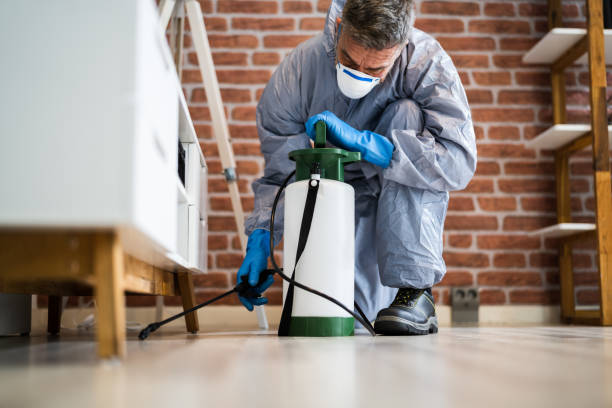
Effective Solutions for Eliminating Termites and Preventing Their Return
Addressing termite infestations effectively requires a multi-pronged approach that includes identification, eradication, and long-term prevention strategies. Below are effective solutions to eliminate termites and prevent their return.
Identifying the Infestation
To ensure accurate treatment, identifying the type of termite causing the infestation is crucial.
- Subterranean Termites: Build mud tubes and often reside underground.
- Drywood Termites: Found in dry wood structures or furniture, they don’t require contact with soil.
- Dampwood Termites: Common in moist wood but are less likely to infest homes due to limited conditions.
Inspect your home for the following common signs of termites:
– Mud tubes along walls or foundations.
– Hollow sounds when tapping wooden structures.
– Small piles of frass (termite droppings) near wooden surfaces.
Eradication Methods
Once an infestation has been identified, professional treatment methods are often required to eliminate termites effectively.
- Liquid termiticides create a chemical barrier around your home’s foundation.
- Non-repellent termiticides such as fipronil allow termites to spread the toxin through their colony.
- Bait stations attract foraging termites with cellulose material laced with slow-acting toxins.
- Effective because it targets the entire colony rather than individual termites.
- Drywood termite infestations can often require structural fumigation.
- This gas treatment permeates all areas of a structure, eliminating hidden colonies.
- Spot treatments such as direct injection of termiticide foam or borate solutions into infested wood may resolve smaller issues without extensive interventions.
- Biological Control (Emerging Solutions)
- Use of nematodes (microscopic worms) that feed on termites is an eco-friendly option under research for broader applications.
| Method | Best For | Professional Assistance Required? |
| Chemical Treatments | Subterranean termites | Yes |
| Baiting Systems | Eliminating colonies | Yes |
| Fumigation | Severe drywood infestations | Yes |
| Localized Treatments | Small-scale damages | Sometimes |
| Biological Control | Experimental use | Sometimes |
Preventative Measures
Preventing re-infestation is just as important as extermination itself.
- Fix leaky pipes and faucets promptly.
- Ensure proper drainage systems around foundations.
- Keep firewood, lumber, or any cellulose-based material elevated and away from your property.
- Use steel or treated wood in construction where possible.
- Caulk cracks and crevices around windows, doors, and utility entry points.
- Avoid planting trees or shrubs too close to the house foundation.
- Regularly clear dead leaves and mulch near walls.
- Engage a licensed pest control professional for annual inspections even if no visible signs exist.
By implementing these strategies consistently, you not only address existing issues but also build a robust system for long-term termite prevention.
Consulting Professionals vs DIY Approaches
While small-scale preventative measures can sometimes be handled independently (such as fixing water leaks), larger infestations almost always require professional assistance due to the complexity of eradicating entire colonies effectively without causing further structural damage in the process.
Effective Solutions for Eliminating Termites and Preventing Their Return
Fortunately, there are several effective methods to eliminate termites and prevent their return. Implementing a comprehensive strategy that combines professional treatments, preventative measures, and regular maintenance is key to keeping your property termite-free.
Professional Treatment Options for Termite Elimination
- Liquid Termiticides:
This barrier kills termites upon contact or ingestion. Commonly used termiticides include fipronil and imidacloprid. - Baiting Systems:
Termite bait systems involve placing bait stations in the ground around your property. Worker termites consume the bait and share it with their colony, leading to its eventual collapse.
| Treatment Method | Advantages | Disadvantages |
| Liquid Termiticides | Long-term protection, immediate effect | Requires professional application |
| Baiting Systems | Targets entire colonies effectively | Slower elimination process |
- Fumigation:
For severe infestations involving drywood termites, fumigation may be necessary. This involves sealing the entire structure and introducing a gas pesticide (e. g. , sulfuryl fluoride) to penetrate wood and destroy all termites inside.
DIY Termite Control Methods
- Orange Oil Treatments: Derived from orange peels, this natural solution contains d-limonene, which is toxic to termites upon contact.
- Diatomaceous Earth (DE): Sprinkling DE around infested areas can dehydrate and kill termites.
- Cardboard Traps: Wet cardboard acts as a lure for termites; once they gather on it, you can remove and destroy the trap.
Preventative Measures for Long-Term Protection
Preventing termites from returning is critical after an infestation has been addressed.
- Maintain proper drainage around your property to reduce moisture sources that attract termites.
- Store firewood at least 20 feet away from the house and elevate it above ground level.
- Seal cracks in foundations and walls where termites might gain entry.
- Use termite-resistant materials like treated wood during construction or renovations.
The Importance of Regular Inspections
Early detection allows minor issues to be addressed before they escalate into costly damage.
By combining professional expertise with proactive prevention efforts, homeowners can effectively eliminate termites while safeguarding their properties from future infestations. A well-maintained home with consistent monitoring significantly reduces the likelihood of re-infestation over time.
- Essential Tips for Effective Termite Treatment Miami Homeowners Need to Know
- Effective Miami Termite Control: How to Identify Signs of Termites in Your Home
- Effective Termite Treatment Miami Residents Can Rely on to Protect Their Homes
- How Miami Pest Control Experts Handle Termite Damage to Wooden Structures
- Effective Termite Treatment Miami: Top Warning Signs of an Infestation Every Homeowner Should Know
- Effective Termite Treatment Miami: Protect Your Home with Regular Inspections
- Effective Termite Treatment Miami: Understanding Damage and Protecting Your Home
Effective Termite Treatment Miami: Top Warning Signs of an Infestation Every Homeowner Should Know
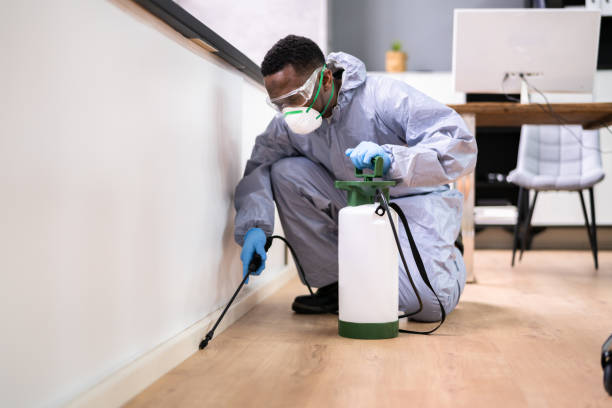
Termites are silent destroyers capable of causing severe damage to homes if left undetected. Below are some critical warning signs every homeowner should be aware of to identify termite activity in or around their property.
One of the most apparent signs of a termite infestation is the presence of mud tubes. These pencil-thin tunnels, usually created by subterranean termites, are formed from a mixture of soil, wood particles, and saliva. They serve as protective passageways for termites as they travel between their nests and food sources.
- Along walls and foundation edges
- On wooden beams or posts
- Around pipes or other moisture-prone areas
Mud tubes typically indicate an active infestation, so it is crucial to inspect these areas regularly.
When termites consume wood from the inside out, it often leaves behind hollow sections that weaken the structure’s integrity. Tapping on wooden surfaces may produce a hollow sound if termites have been active within the material.
- Floorboards
- Wooden furniture
If hollow-sounding wood is found in combination with other signs like mud tubes or frass (termite droppings), further investigation is warranted.
Termite swarms are another clear indicator of an infestation.
- Wing remnants on cobwebs or corners of rooms
Wing-shedding typically occurs during warmer months when termite activity increases.
Cracked or bubbling paint can indicate that termites are tunneling beneath surfaces such as drywall or woodwork. This damage often goes unnoticed until it becomes more pronounced over time.
- Why It Occurs:
Termites create moisture while feeding on cellulose-based materials like wood and drywall, leading to distorted paint finishes.
Inspect any unusual cracks or bubbles promptly as they could reveal hidden termite activity.
Summary Table: Key Warning Signs
| Warning Sign | Description | Locations to Check | Severity Indicator |
| Mud Tubes | Protective tunnels made by termites | Foundation walls; Beams | High |
| Hollow-Sounding Wood | Internal wood damage | Door frames; Floorboards | High |
| Discarded Wings | Evidence of termite swarming | Windowsills; Light fixtures | Medium |
| Cracked/Bubbling Paint | Surface distortion from feeding activities | Drywall; Painted wood | Medium |
Early detection of these warning signs can help mitigate potential structural damage caused by termites while minimizing financial burdens related to repairs. Regular inspections coupled with professional pest control services can keep your home protected from these invasive pests year-round.
Effective Miami Pest Control Tips: Spotting Termite Mud Tubes on Walls and Foundations
Mud tubes are one of the most common and visible signs of a termite infestation. Subterranean termites, the most prevalent termite species in many regions, construct these pencil-thin pathways to travel safely between their colony and food sources. Understanding how to identify and interpret mud tubes is crucial for homeowners aiming to protect their property from extensive damage.
What Are Mud Tubes?
Termites build mud tubes using a combination of soil, saliva, and fecal material.
- Protection: Mud tubes shield termites from predators like ants and from exposure to air or sunlight, which can be fatal to them.
- Moisture Retention: Termites require high humidity levels to survive, and these tubes help maintain an environment that prevents dehydration.
- Navigation: They act as highways for termites to access wood or other cellulose-based materials without detection.
Common Locations for Mud Tubes
Homeowners should regularly inspect areas where mud tubes are likely to appear.
- Foundation Walls
Termites often build mud tubes along concrete foundations since they can’t penetrate solid concrete but use cracks or crevices as entry points. - Basement Walls
Basements provide dark, moist environments that are ideal for termite activity. Check along the edges where walls meet the floor. - Crawl Spaces
Crawl spaces are particularly vulnerable due to their proximity to soil, a primary habitat for subterranean termites. - Exterior Walls
Look for mud tubes on exterior walls near garden beds, mulch piles, or areas where shrubs grow close to your home. - Wooden Structures in Contact with Soil
Fence posts, trellises, decks, or wooden steps directly touching soil are highly susceptible to termite infestations.
How To Differentiate Active Mud Tubes From Old Ones
| Indicator | Active Tube | Old/Inactive Tube |
| Appearance | Moist with fresh soil | Dry and brittle |
| Presence of Termites | May find live termites inside | No visible termite activity |
| Connected Path | Intact pathways leading into wood | Often broken or disconnected |
To inspect a tube’s activity: 1. Gently break off a section of the tube. 2. Wait 24–48 hours. 3. If termites rebuild it quickly, there’s likely an active infestation.
Why Mud Tubes Should Not Be Ignored
Mud tubes indicate that termites have likely gained access to your home’s structure and may already be causing damage inside walls or other concealed areas.
- Preventing further structural damage caused by prolonged feeding on wood.
- Avoiding costly repairs by addressing infestations early.
- Protecting other parts of your home from becoming compromised over time.
Steps To Take if You Spot Mud Tubes
If you discover mud tubes in or around your home: 1. Do not disturb all visible tubes before contacting a professional pest control service. 2. Take clear photos of the affected areas for documentation purposes. 3. Consult with licensed pest control experts who can confirm whether an infestation is active and recommend appropriate treatment plans. 4. Consider having regular termite inspections performed annually moving forward.
By remaining vigilant about signs such as mud tubes on walls and foundations, homeowners can significantly reduce the risk posed by termites while preserving the integrity of their property over time.
Expert Tips from an Exterminator Miami, FL: Identifying Hollow-Sounding Wood and Termite Damage
Termites are among the most destructive pests that can invade a home, often causing significant structural damage before being detected. One of the most telling signs of their presence is hollow-sounding wood. Understanding why wood sounds hollow and how this phenomenon is linked to termite activity is essential for any homeowner seeking to protect their property.
Why Does Wood Sound Hollow?
When termites infest wood, they consume it from the inside out. These pests typically avoid the surface, leaving a thin outer layer intact while tunneling through the interior. This feeding behavior creates empty spaces or galleries within the wood. When tapped or knocked, the sound travels differently through these voids, producing a hollow or papery sound.
- Wooden furniture
- Floorboards or hardwood flooring
- Structural beams in basements or attics
- Door and window frames
This sound often serves as an early warning sign that termite activity may be present beneath the surface.
How to Check for Hollow-Sounding Wood
- Use a screwdriver handle or a similar tool to gently tap on wooden surfaces.
- Listen for changes in sound—solid wood will produce a firm knock, while termite-damaged areas will emit a dull or hollow tone.
- Check high-risk areas such as crawl spaces, basement beams, and wooden siding.
- Pay special attention to spots where moisture may be present since termites thrive in damp environments.
- If you notice softer-than-usual areas during inspection, use a sharp object like a knife or screwdriver to penetrate the surface gently.
- Termite-damaged wood may crumble easily when probed.
Why Is This Symptom Important?
Hollow-sounding wood isn’t just an annoyance—it’s an indicator of potentially severe structural damage caused by termites. Over time, if left unchecked, termite colonies can weaken load-bearing components of your home, increasing repair costs and compromising safety.
| Key Concern | Why It Matters |
| Structural instability | Weakened wooden beams could result in collapse risks |
| Increased repair costs | Early detection can save money on extensive damage |
| Spread of infestation | Identifying one area helps prevent colony expansion |
Professional Inspection Is Crucial
If you detect large areas of hollow-sounding wood during your inspections, it’s wise to contact a professional pest control service immediately. Experts have tools like moisture meters and infrared cameras that allow them to locate hidden infestations more effectively than DIY methods alone.
By understanding how hollow-sounding wood relates to termite damage and staying vigilant with regular inspections, homeowners can mitigate risk before extensive repairs become necessary.
How Discarded Wings Help with Effective Termite Removal Miami Solutions
Detecting a termite infestation early can save homeowners from costly structural damage.
Why Do Termites Shed Their Wings?
Winged termites, also known as alates or swarmers, are reproductive members of a colony that emerge during specific times of the year, often in spring or early summer. These winged termites leave their original colony to form new ones, and after mating, they shed their fragile wings since they are no longer needed for flight.
The shed wings are typically left in piles near windowsills, doorways, or other areas where swarmers enter your home. Because these wings are lightweight and fragile, they may go unnoticed unless carefully inspected.
Characteristics of Termite Wings
Knowing how to identify termite wings is critical for distinguishing them from other flying insects like ants.
| Characteristic | Termite Wings | Ant Wings |
| Size and Shape | All four wings are equal in size and shape | Front wings larger than hind wings |
| Veins | Few visible veins | More distinct veins |
| Color | Transparent or slightly milky appearance | Transparent with darker tints |
Tip: If you observe a pile of uniform-sized transparent wings indoors or near your foundation, it’s highly likely you’re dealing with termites rather than ants.
Common Locations to Spot Discarded Wings
Termite swarmers often gather around light sources due to their attraction to bright areas.
- Window sills
- Door frames
- Near indoor lighting fixtures
- Around baseboards
- Outdoor decks and patios
Inspecting these areas closely can provide early clues about an infestation.
What Should You Do Upon Finding Wings?
- Document Evidence:Take photos of the found wings and note their locations for reference when consulting with pest control professionals.
- Inspect Surroundings:Check for additional signs like mud tubes on walls or hollow-sounding wood that could support evidence of termites.
- Contact Experts:Reach out to a licensed pest control service for an assessment and confirmation of whether these signs indicate an active infestation.
- Avoid Disturbing Evidence:Leave the site untouched so experts can accurately evaluate its significance.
Preventive Measures Against Termites
Discarded termite wings signal that swarmers have entered your home or property seeking new colonies.
- Seal cracks and gaps around windows, doors, utility pipes, and foundations.
- Reduce moisture buildup by addressing leaks and improving ventilation in crawlspaces.
- Keep firewood and mulch away from your home’s foundation as these materials attract termites.
- Schedule regular inspections with pest control professionals.
By recognizing discarded termite wings as an early warning sign and taking swift action, homeowners can mitigate potential damage while protecting their property’s structural integrity long-term.
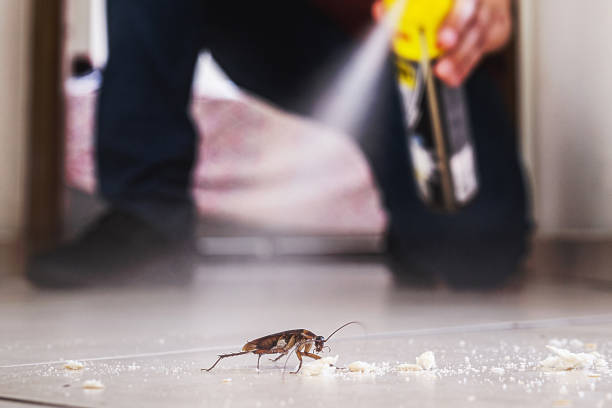
How Cracked or Bubbling Paint Can Indicate a Hidden Termite Problem
Cracked or bubbling paint on walls, ceilings, or wooden surfaces is often overlooked as a cosmetic issue. However, it can be a subtle yet critical sign of an underlying termite infestation. Understanding why this occurs and how to identify it can help homeowners take prompt action to prevent extensive damage.
Why Does Paint Crack or Bubble Due to Termites?
Termites create tunnels and galleries within wooden structures as they feed on cellulose. This activity compromises the integrity of the wood and may allow moisture to accumulate.
- Bubbling Paint: Moisture trapped under the paint layer causes swelling and separation from the substrate.
- Cracking Paint: As wood weakens, shifts, or deforms due to termite activity, the paint covering it may crack.
Moisture intrusion from plumbing leaks or humidity can mimic these symptoms; hence, further investigation is essential if you notice such signs.
Key Areas to Inspect for Cracked or Bubbling Paint
- Window Frames and Sills
Termites often enter homes by targeting wooden window frames that are exposed to the outdoors. Inspect these areas closely for any irregularities in the paint’s appearance. - Door Frames
Wooden door frames in damp areas like bathrooms, basements, or kitchens are particularly vulnerable to termite infestations. - Baseboards
Pay close attention to paint conditions around baseboards since termites often work their way into homes via foundations. - Walls Near Plumbing Lines
Look at painted surfaces near leaking pipes or plumbing fixtures where moisture buildup may attract termites.
Steps for Confirming a Termite Problem
- Tap Test: Gently tap on the affected surface with a hard object such as a screwdriver handle. Hollow-sounding wood underneath could suggest termite damage.
- Look for Mud Tubes: Check walls and foundations for mud tubes—small tunnels termites use for travel between their colony and food sources.
- Inspect Frass (Droppings): Look around affected areas for small mounds of frass resembling sawdust; this is an indicator of drywood termite activity.
- Professional Inspection: If signs persist but remain inconclusive, contact a licensed pest control expert who can use advanced tools like moisture meters and infrared cameras.
Table: Common Causes of Cracked/Bubbling Paint vs Signs of Termite Activity
| Cause | Appearance | Requires Termite Inspection? |
| General Wear-and-Tear | Slight cracks due to aging | No |
| Excessive Moisture | Widespread bubbles/swelling | Maybe (check source of moisture) |
| Subsurface Wood Damage Caused by Termites | Localized cracking/bubbling near damaged wood | Yes |
Taking early steps when you notice cracked or bubbling paint can save your home from severe structural issues caused by termites over time.
Effective Miami Termite Control: How to Identify Frass and Protect Your Home
Termite droppings, also known as frass, are one of the key indicators of a termite infestation. Properly identifying frass in your home can help you detect the presence of termites early and take the necessary steps to address the problem.
What is Frass?
Frass is essentially termite excrement. Unlike other pests, drywood termites push their droppings out of their tunnels, creating small piles near infested areas. These droppings are often mistaken for dirt or sawdust but have specific characteristics that differentiate them from general debris.
Here are some key attributes of termite frass:
– Appearance: Frass resembles tiny wood pellets roughly 1 millimeter in size.
– Color: It is often tan or light brown, but the color can vary depending on the type of wood that termites feed on.
– Shape: The pellets have a six-sided structure when observed closely under magnification.
Where to Look for Frass
Knowing where to search for frass in your home is critical when attempting to identify an infestation. Termites generally leave their droppings in areas close to their entry points or feeding sites.
– Near windowsills or doorframes
– Along baseboards and edges of floors
– Close to wooden furniture or structural beams
– Inside wall voids or crawl spaces
If you notice small piles of these pellet-like substances in any of these areas, it could indicate termite activity.
| Location | Likelihood of Finding Frass | Action Steps if Found |
| Around windows and doors | High | Inspect for tunnels or damaged frames |
| Baseboards and flooring | Moderate | Check nearby wood for hollow sounds |
| Crawl spaces | High | Contact a pest control professional |
Why Does Frass Indicate a Problem?
The presence of termite frass signifies active infestations because termites only push out excrement while actively tunneling through wood. This means that finding frass is not just an indication that termites were present at one time but that they may still be feeding on your home’s structures.
Steps to Take When You Spot Frass
- Collect a Sample:Carefully collect some of the material using gloves and store it in a clean container for identification purposes.
- Check Nearby Wood:Tap surrounding wooden surfaces with a tool like a screwdriver; hollow-sounding areas could confirm damage.
- Document Evidence:Take photos or notes about where you found the frass for reference when consulting professionals.
- Contact Professionals:Reach out to licensed pest control experts who can assess the extent of the infestation and recommend treatment options.
Preventive Measures Against Termite Infestations
- Seal cracks and crevices around foundations and walls.
- Ensure proper ventilation in attics and crawl spaces.
- Keep firewood stored at least 20 feet away from your home.
- Reduce moisture by repairing leaks promptly.
By understanding what termite frass looks like and knowing how to react if you find it, homeowners can protect their property from further damage caused by these destructive pests.
Top Reasons Sagging Floors or Ceilings May Be Caused by Termites
Sagging floors or ceilings are often overlooked when it comes to detecting structural issues in a home. However, these problems may indicate something far more concerning: a termite infestation. Termites, especially subterranean and drywood species, can weaken the structural integrity of buildings by feeding on wood and other cellulose-based materials, leading to noticeable sagging over time. Here are the key reasons why sagging floors or ceilings could point to termite-related damage.
Termites feed on the cellulose found in wood, which is a primary component of many home structures. Over time, this feeding weakens wooden beams, joists, and floor supports that hold up floors and ceilings.
– Floors may begin to sink or dip unevenly. – Ceilings could start to bow under the weight of materials above them.
Example of Commonly Affected Areas:
| Location | Potential Impact |
|——————-|———————————————–|
| Floor Joists | Sagging or uneven flooring surfaces |
| Ceiling Beams | Noticeable bowing or drooping in ceilings |
| Subflooring | Sinking spots when walking |
Subterranean termites require moisture to survive and often bring water into wooden structures through their mud tubes. The combination of termite damage and excess moisture can hasten wood rot and significantly compromise structural integrity.
– Soft spots on flooring that give way under pressure. – Bulges in ceilings caused by increased humidity within damaged areas.
Preventing moisture issues alongside managing termites can help mitigate this risk.
Termite colonies often remain hidden inside walls, flooring, or ceiling spaces for years before noticeable damage appears. Their ability to hollow out wooden supports from the inside makes it difficult to detect issues until sagging becomes severe.
– Hollow-sounding wood beneath floors or behind walls. – Unexplained cracks around door frames, windowsills, or ceiling edges.
If you notice these signs combined with sagging floors/ceilings, it’s critical to investigate further.
Unlike other pests that cause surface-level damage, termites compromise essential support elements over months—or even years—if left untreated.
– Load-bearing elements like beams may completely fail. – Entire sections of flooring could collapse due to weakened substructures.
This makes professional inspections essential if there’s any suspicion of termites causing structural damage.
Steps for Addressing Termite-Caused Sagging
- Inspect Thoroughly– Hire a certified pest control expert for an inspection that includes hidden areas such as crawl spaces and attics.
- Treat the Infestation– Use termiticides or bait stations specific to the type of termite present.
- Repair Damaged Structures– Replace compromised beams and joists with reinforced materials.
- Implement Preventative Measures– Seal entry points around your home’s foundation; remove excessive moisture sources like leaks; ensure regular pest monitoring.
By identifying these common causes and taking proactive steps toward resolution, homeowners can reduce further damage while protecting their property value from long-term deterioration caused by termites.
- Essential Tips for Effective Termite Treatment Miami Homeowners Need to Know
- Effective Miami Termite Control: How to Identify Signs of Termites in Your Home
- Effective Termite Treatment Miami Residents Can Rely on to Protect Their Homes
- How Miami Pest Control Experts Handle Termite Damage to Wooden Structures
- Effective Termite Treatment Miami: Top Warning Signs of an Infestation Every Homeowner Should Know
- Effective Termite Treatment Miami: Protect Your Home with Regular Inspections
- Effective Termite Treatment Miami: Understanding Damage and Protecting Your Home