
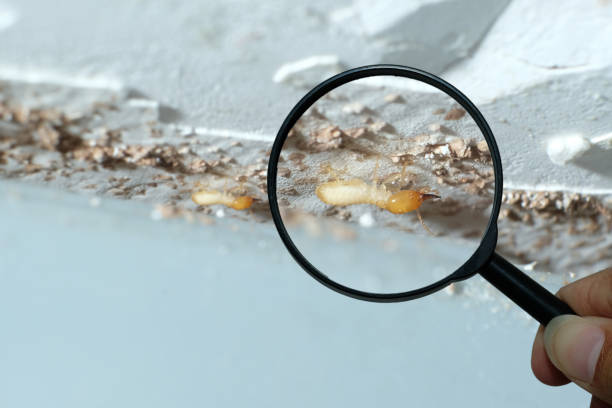
Early Warning Signs of Termite Activity
There are several indicators that termites may have invaded your property. By paying close attention, homeowners can detect infestations before they worsen.
- Cracked or Bubbling Paint: Unexplained cracks or bubbles in paint may be caused by moisture associated with termite activity.
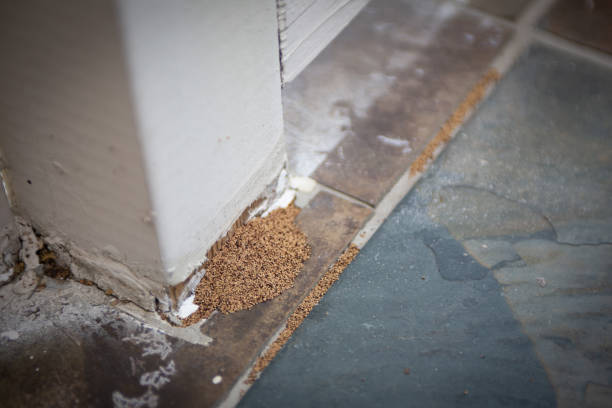
- Droppings (Frass): Drywood termites leave behind small piles of wood-colored pellets, which are their droppings.
- Mud Tubes: Subterranean termites build mud tubes for protection while traveling between their colony and food sources. These pencil-thin tunnels are usually found along walls, foundations, or crawl spaces.
Common Locations for Termite Damage
Different areas of your home may be more prone to termite activity depending on environmental conditions and construction materials.
| Location | Why It’s Vulnerable |
| Wooden Beams & Structures | Primary food source for termites |
| Attics & Crawl Spaces | Moisture buildup creates favorable conditions |
| Basements | Easy access from soil; high humidity levels |
| Near Foundations | Contact with soil makes it easier for subterranean termites |
| Window & Door Frames | Wood exposure combined with occasional moisture accumulation |
Differences Between Drywood and Subterranean Termites
- Do not require contact with soil.
- Thrive within dry wood structures like furniture or hardwood flooring.
- Live below ground and build mud tubes for protection while traveling above ground.
- Cause significant structural damage by targeting foundational wood and moist environments.
Tools You Can Use to Inspect Infestations
Homeowners can use certain tools and techniques for inspections: – A flashlight for dark crawl spaces or basements. – A screwdriver or probe tool to test the strength of potentially infested wood by gently pressing its surface. – Visual monitoring around exterior walls where mud tubes might form.
By being proactive in identifying these signs, you’ll have a better chance of addressing potential infestations before they escalate into major concerns. Early detection allows you to protect your home’s integrity effectively while saving costs associated with severe damage repairs.
Effective Termite Treatment Miami: Recognizing the Most Common Signs of Infestations in Homes
Early detection of a termite infestation can save homeowners from costly repairs and extensive structural damage. Below, we outline some key indicators to watch for, along with tips on identifying them effectively.
One of the earliest signs of termites is the presence of discarded wings near windows, doors, and other entry points. These tiny wings often resemble fish scales and are typically found in piles.
- Around window sills
- Near door frames
- In spider webs inside or outside the home
- Tap wooden beams, walls, or furniture.
- Use a screwdriver or similar tool to gently probe exposed wood for weak spots.
Subterranean termites build mud tubes as passageways between their colonies and food sources. These pencil-thin tunnels are made from soil and saliva, allowing termites to maintain moisture levels while traveling.
- Along foundation walls
- Underneath crawl spaces
- Around baseboards or ceilings
| Mud Tube Characteristics | What It Indicates |
| Thin but continuous | Active termite activity |
| Broken or dry | May indicate older activity |
| Found near damaged wood | Likely linked to structural infestations |
- Hard and granular texture
- Varying shades from dark brown to light tan
- Beneath wooden furniture
- Around baseboards or window frames
- Tight-fitting windows
- Uneven doorframes
- Sticky window sashes
Additional Warning Signals:
- Peeling paint resembling water damage
- Small cracks in drywall
- Patterns in wood that resemble mazes
Taking immediate steps upon noticing these warning signs is crucial for minimizing damage caused by termites. Proper inspection by pest control professionals ensures accurate identification and timely intervention before the problem worsens.
Signs of Termite Mud Trails and How Miami Pest Control Can Help
These structures are created by termites as a means of protection while they travel between their colony and food sources. Understanding what these mud trails indicate can help homeowners assess the extent of an infestation and take the necessary steps for remediation.
What Are Termite Mud Trails?
Mud trails are tunnel-like structures made from a combination of soil, wood particles, saliva, and termite feces.
- Protection: These tubes shield termites from predators such as ants and provide a controlled environment with the right temperature and humidity.
- Transportation: Mud tubes function as pathways between a termite colony (often located underground) and their primary food source (wood).
- Communication: Termites use these tunnels to maintain contact between the colony workers, soldiers, and reproductive members.
Types of Termite Mud Tubes
There are four main types of mud trails that may indicate a termite infestation.
| Type | Description | Location Found |
| Exploratory Tubes | Temporary tubes that termites use to scout new food sources | Found on walls or surfaces leading in various directions |
| Working Tubes | Permanent tunnels used for ongoing transportation between colony and food | Typical along foundations or wooden surfaces |
| Drop Tubes | Vertical tubes hanging from ceilings or wooden structures | Often found in basements or crawl spaces |
| Swarm Tubes | Tunnels created by reproductive termites during swarming events | Typically seen near entry points |
What Do Mud Trails Indicate About an Infestation?
- Active Infestation
The presence of intact, moist mud tubes usually indicates an active termite infestation within your home. If you break open a section of the tube and see live termites moving inside, this confirms activity. - Pathways to Food Sources
Mud trails often lead directly to areas where wood or cellulose-based materials are being consumed. Inspect nearby wood for signs like hollow sounds or visible damage. - Colony Growth Stage
Extensive networks of mud tubes may suggest that the infestation is well-established. Larger colonies build more extensive tunneling systems due to increased demand for resources. - Structural Vulnerabilities
The location of the mud trails often reveals structural vulnerabilities in your property—such as cracks in foundations or poorly sealed entry points—that allow termites access into your home.
Steps to Address Termite Mud Trails
- Assess Damage:Inspect wooden components near mud trails for structural damage such as hollowed-out beams.
- Break Open Tubes:Carefully break open a section to check for live activity.
- Call a Professional:Contact licensed pest control professionals who specialize in termite inspections and treatments.
- Seal Entry Points:Use caulk or cement to seal any visible cracks or crevices where termites could enter.
- Prevent Future Issues:Consider installing physical barriers or applying termiticides around your home’s foundation.
By understanding what termite mud trails indicate about an infestation and taking appropriate action, you can protect both your property’s structural integrity and its long-term value. Timely identification is key when dealing with these silent yet destructive pests.
Identifying Termite Issues?
Termites are often difficult to detect because they work silently and remain hidden. However, there are subtle indicators that can reveal their presence in your home. One of these is unusual clicking sounds in the walls, along with various other signs that homeowners should be aware of to prevent extensive damage.
Why Do Termites Make Clicking Sounds?
The clicking or rustling noises associated with termites are often caused by soldier termites. These termites are responsible for warning the colony of potential threats. When disturbed or when sensing danger, soldier termites use their heads to bang against wood surfaces, creating a faint tapping or clicking sound.
- Worker termites may also produce sounds as they chew through wood and other materials.
- The noise level is typically faint during the day but becomes more noticeable at night when the surroundings are quiet.
If you hear these sounds coming from your walls, it could be an indication of an active termite infestation.
Other Subtle Indicators of Termite Activity
- Tapping on wooden structures may produce a hollow sound if termites have eaten away the interior portion.
- This can be especially concerning for load-bearing structures like beams and joists.
- When termites tunnel close to the surface, they leave behind thin layers of paint or plaster that bubble or blister.
- This is often mistaken for water damage but could indicate termite activity underneath.
- These wings are translucent and uniform in size.
- Termite droppings, also known as frass, resemble small piles of sawdust or coffee grounds.
- You might find these near baseboards or wooden furniture.
- In some cases, termites can cause structural shifts that result in cracks forming on walls or ceilings.
Table: Comparison Between Termite Clicks and Other Household Noises
| Feature | Termite Clicks | Rodent Noises | Plumbing Sounds |
| Time Most Noticeable | Nighttime | Nighttime | Anytime |
| Sound Characteristics | Faint tapping/clicking | Scratching/gnawing | Gurgling/knocking |
| Source Location | Inside wood structures | Within walls/ceilings | Behind pipes |
| Likely Cause | Soldier termite activity | Rodents moving through spaces | Air pressure changes |
What Should You Do If You Suspect Termites?
- Conduct a thorough inspection around your property focusing on areas like basements, crawl spaces, and wooden furniture.
- Contact a licensed pest control professional for an assessment if you’re unsure about the source of noises or signs.
- Avoid disturbing suspected areas until professionals can confirm whether an infestation exists; disturbing active colonies may cause them to relocate within your home.
By being vigilant about these subtle signs—including listening for unusual noises—you can catch termite problems early and mitigate potential structural damage effectively.
Effective Termite Removal Miami: How to Identify and Deal with Termites
Being able to identify termites is vital for recognizing an infestation early and taking the necessary steps to protect your property. Termites are often mistaken for other small insects, such as ants, so understanding their appearance and behavior is essential. Below is a detailed guide on how to identify termites effectively.
Physical Characteristics of Termites
- Size: Most termites are small, ranging from 1/8 inch to 1/2 inch in length.
- Workers are typically pale cream or white.
- Soldiers may have darker heads with large mandibles.
- Reproductive termites (alates) are often dark brown or black.
- Wings: Alates, also known as swarmers, have two pairs of equally-sized wings. These wings are translucent with a slight vein pattern and tend to be longer than the termite’s body.
- Antennae: Unlike ants, which have bent antennae, termites have straight, bead-like antennae.
Key Differences Between Termites and Ants
It’s easy to confuse termites with flying ants during their swarming season.
| Feature | Termites | Ants |
| Body Shape | Uniform width; no waistline | Narrow “pinched” waist |
| Wings | Two pairs of equal size | Front wings larger than hind wings |
| Antennae | Straight and bead-like | Bent or elbowed |
| Color | Light (workers) to dark (alates) | Typically dark brown or black |
Where to Look for Termites
Termites prefer dark, damp environments and may not always be visible on the surface.
- Wood Structures: Check wooden furniture, structural wood beams, floorboards, and walls for damage or hollow sounds when tapped.
- Mud Tubes: Inspect areas near your foundation for small tunnels made of mud. These tubes serve as protective pathways for subterranean termites traveling between their nest and food sources.
- Windowsills and Light Fixtures: During swarming season, discarded wings may accumulate around windowsills or light fixtures.
Behavioral Indicators of Termite Activity
- Swarming Behavior: Look out for reproductive alates flying near windows or lights during warm evenings—this indicates a nearby colony preparing to expand.
- Discarded WingsPiles of discarded wings are a telltale sign of termite activity.
- Subterranean termites create honeycomb-like patterns inside wood while leaving thin outer layers intact.
- Drywood termites produce smooth galleries with frass (termite droppings) nearby.
By using these identification strategies—examining physical traits and observing behavioral clues—you’ll be better equipped to spot termites early before they cause extensive damage to your property. Always consider consulting pest control professionals if you suspect an infestation.
Effective Ways to Prevent Termite Infestations and Protect Your Property
Termites are a significant threat to the structural integrity of homes and buildings. Preventing an infestation before it starts is far more effective—and less costly—than addressing it after termites have caused damage. Here are some proven strategies to safeguard your property from termites.
Termites thrive in moist environments, making moisture control essential for prevention.Fix plumbing leaks: Repair any leaking pipes, faucets, or air conditioning units promptly.Ensure proper drainage: Make sure water flows away from the foundation by grading the soil appropriately.Clear gutters and downspouts: Debris buildup can lead to excess moisture, inviting termites closer to your property.
Since many termite species feed on wood, reducing their access points is crucial. – Keep wooden components of your home (e. g. , siding or framework) at least six inches above the soil. – Use metal or concrete barriers when building decks or patios that connect to the house. – Store firewood, lumber, and wooden debris away from your home and off the ground.
Even small cracks can serve as entry points for termites. Inspect your property for gaps or vulnerabilities and take appropriate measures: – Apply caulk around windows, doors, and utility lines entering the house. – Seal cracks in foundations or walls with a quality filler material.
When building or renovating, consider using materials resistant to termite damage: | Material Type | Resistance Level | |———————–|———————–| | Treated wood | High | | Concrete | Excellent | | Steel framing | Superior |
Incorporating these materials into your construction process can reduce long-term risks.
Periodic inspections by professionals help detect early signs of termite activity before they escalate into severe infestations: – Schedule annual inspections for both interior and exterior areas of your property. – Focus on crawl spaces, basements, attics, foundations, and other areas prone to moisture.
For new buildings or major renovations: – Install physical barriers like stainless steel mesh or sand beneath foundations. – Apply chemical soil treatments that repel termites from entering structures.
Certain landscaping practices inadvertently attract termites. To minimize these risks: – Avoid planting trees or shrubs too close to your house; roots can create pathways for termites into foundation cracks. – Remove dead stumps or decaying wood from yards promptly.
By employing these preventive measures consistently, you can protect your property against costly termite infestations while maintaining its structural integrity over time.
- Essential Tips for Effective Termite Treatment Miami Homeowners Need to Know
- Effective Miami Termite Control: How to Identify Signs of Termites in Your Home
- Effective Termite Treatment Miami Residents Can Rely on to Protect Their Homes
- How Miami Pest Control Experts Handle Termite Damage to Wooden Structures
- Effective Termite Treatment Miami: Top Warning Signs of an Infestation Every Homeowner Should Know
- Effective Termite Treatment Miami: Protect Your Home with Regular Inspections
- Effective Termite Treatment Miami: Understanding Damage and Protecting Your Home